Why Your Jaw Might Be Triggering Your Headaches? TMJ Could Be to Blame


Have you been waking up with a sore jaw, struggling with headaches, or noticing a clicking sound when you open your mouth?
Many people experience these symptoms but aren’t sure what’s causing them, and whether it’s something serious. You might brush it off as just a bad night’s sleep or stress from work, but these signs could indicate something more significant: TMJ disorder.
Temporomandibular joint (TMJ) disorders affect up to 12 million people in the U.S., according to the National Institute of Dental and Craniofacial Research. It’s more common than many realize. It can be frustrating to live with, but there are solutions that can help relieve your symptoms and improve your quality of life.
What exactly is TMJ?
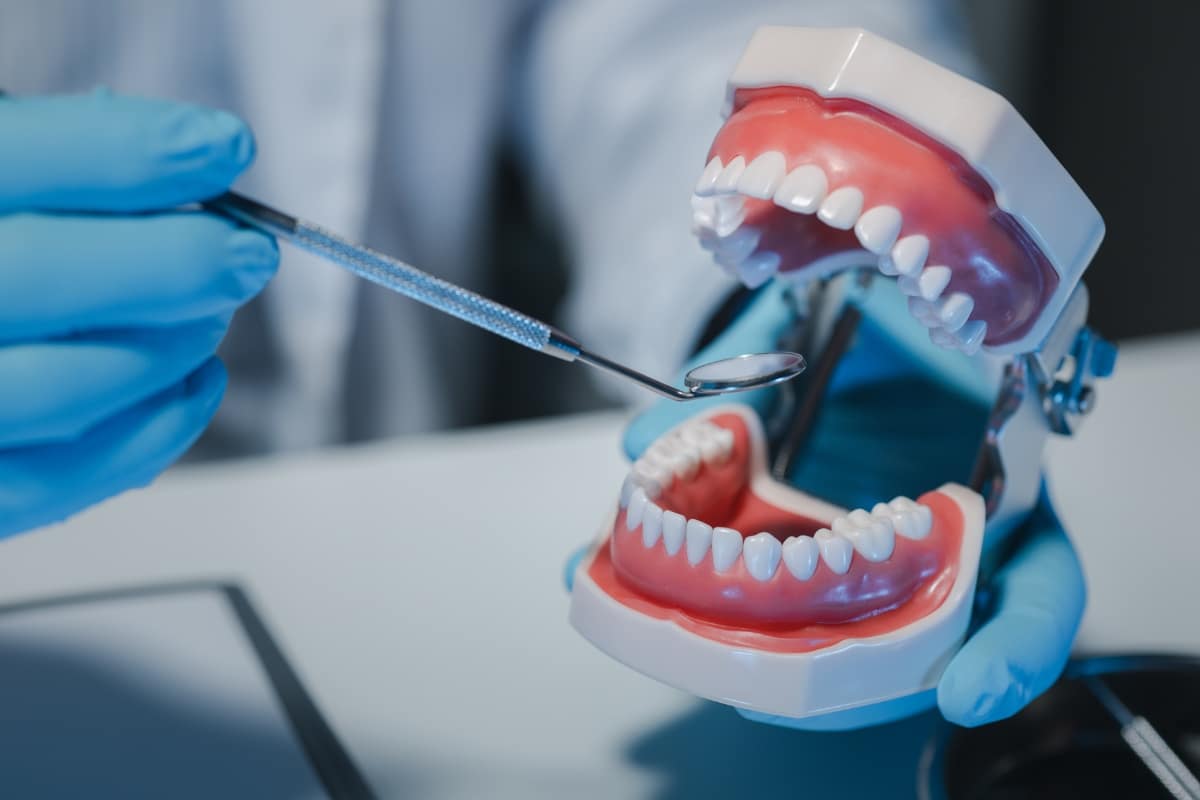
In simple terms, it refers to problems with the temporomandibular joint, the joint that connects your lower jaw (mandible) to your skull. This joint allows you to talk, chew, and yawn, and when it’s not functioning properly, it can lead to the pain and discomfort you’ve been experiencing.
The causes are often unknown, but they can be triggered by several factors, including:
- Teeth grinding (bruxism): Many people grind their teeth while they sleep without even realizing it. This repetitive action can put pressure on the jaw and cause discomfort.
- Stress: Stress can contribute to TMJ by causing you to clench your jaw, especially during sleep.
- Misaligned bite: When your teeth don’t align properly, it puts extra strain on your jaw.
- Injury: A past injury to your jaw or head can also lead to TMJ problems.
What Are The Symptoms Of Temporomandibular Joint Disorders?
If you’re dealing with any of the following symptoms, there’s a good chance you may be experiencing this disorder:
- Waking up with a sore jaw: If you’ve noticed your jaw feels sore first thing in the morning, it might be from teeth grinding during the night.
- Frequent headaches: Waking up with headaches or feeling tension around your temples can be a sign that your jaw is misaligned or under stress.
- Pain when chewing: If chewing feels uncomfortable or you experience pain when you open your mouth wide, it could be a prominent sign.
- Clicking or popping sound: You might hear or feel a clicking or popping sound when you open or close your mouth, which is a hallmark of this symptom.
If any of these symptoms sound familiar, don’t wait to get help. This issue is not something you just have to live with, and there are effective treatments available.
How Does Stress Contribute To TMD Disorders?
Stress is one of the leading causes of temporomandibular joint dysfunction, especially when it leads to teeth grinding or jaw clenching. In high-stress situations, many people unknowingly clench their jaw or grind their teeth, especially at night. Over time, this constant pressure can strain the temporomandibular joint, causing pain, stiffness, and even damage to the teeth.
For families in Little Rock, with its busy work-life balance and frequent community events, stress management is key. Relaxation techniques like meditation, yoga, and regular physical exercise can help reduce stress levels and ease the symptoms.
How Do Jaw Joint Disbalance And Sleep Apnea Relate?
Many individuals suffering from TMD also experience sleep apnea, a condition where breathing is temporarily interrupted during sleep. The misalignment of the jaw can contribute to airway obstruction, making it harder to breathe at night. Patients who have been managing jaw pain on their own for months are often surprised by what a dentist right here in Little Rock can do without surgery or anything invasive.
What Are The Long-Term Solutions For Treating Jaw Pain?
If you’ve been suffering from jaw pain and headaches for a while, you might feel unsure if it’s worth seeing a dentist. But you’d be surprised at how many simple, non-invasive treatments can provide significant relief.
- Custom Night Guards: One of the first treatments your dentist might suggest is a night guard. This custom-fitted device helps prevent teeth grinding at night, alleviating pressure on your jaw and reducing the risk of further damage. Night guards are a simple and effective way to manage the symptoms and reduce discomfort.
- Bite Adjustments: For most people dealing with jaw pain in Little Rock, our TMJ therapy starts with conservative options like a custom night guard or physical therapy, well before more advanced treatment becomes necessary. This can involve reshaping teeth or using dental appliances, which help your bite function properly and also reduce strain on the jaw.
- Physical Therapy: Sometimes, physical therapy can help relieve the pain by strengthening the jaw muscles, improving jaw mobility, and teaching relaxation exercises. It can be an effective way to manage symptoms without needing invasive treatments.
When Simple Solutions Aren’t Enough: Advanced TMJ Treatments
In cases where the more conservative treatments don’t provide enough relief, more advanced treatments may be necessary. But don’t worry, surgery is rarely needed. Most of the time, the symptoms can be managed with:
- Injections or medications: In some cases, the professional may recommend anti-inflammatory medications or injections to relieve pain and inflammation.
- Dental implants or crowns: If the issue stems from a structural problem with your teeth or bite, restorative dental procedures may help correct it.
However, most cases can be resolved with non-surgical treatments, and your dentist will guide you on the best course of action.
How Long Does It Take To See Results From Jaw Joint Therapy?
Unfortunately, there is no one-size-fits-all answer. The time it takes to see improvement depends on the severity of your condition and the type of treatment you receive.
However, most patients begin to notice a reduction in pain and discomfort within a few weeks of starting therapy.
Simple treatments like night guards or physical therapy can provide relief in a relatively short period. For extensive treatments, it might take longer to show noticeable results. Patience is key, but rest assured that relief is often just around the corner.
Can TMD Be Prevented? Tips For Long-Term Relief
While some factors contributing to jaw pain are unavoidable (such as genetics or trauma), there are several preventative steps. Practicing them can minimize the risk of developing or worsening existing symptoms:
- Avoid jaw-clenching: Being mindful of jaw tension during stressful situations can reduce strain.
- Practice relaxation: Techniques like deep breathing, meditation, or yoga can help manage stress and prevent jaw clenching or grinding.
- Use a night guard: If you grind your teeth at night, a custom night guard can protect your teeth and reduce pressure on your jaw joint.
- Get regular dental checkups: An early assessment by a professional can help catch any signs of TMD and prevent it from progressing.
What Happens During A Consultation For Your Jaw Disorder?


During your first consultation at Dental Solutions of Little Rock on any of our locations, our dentists, Dr. Leslie Monroe and Dr. Caroline Mehaffy, will perform a thorough evaluation of your jaw and facial muscles. This will include a detailed discussion of your symptoms, lifestyle, and medical history to determine the cause of your discomfort. Our professionals will then walk you through the available treatment options. This may involve simple exercises and night guards, to physical therapy and advanced solutions if needed. This visit is all about finding the best approach tailored to your needs, and our team is here to guide you every step of the way.
What Happens If Jaw Joint Pain Goes Untreated?
It’s tempting to ignore the mild symptoms of a dysfunctional jaw, especially when the pain isn’t constant. But leaving it untreated can lead to long-term complications. Over time, untreated conditions can cause joint deterioration, leading to more severe issues like arthritis in the jaw or permanent tooth damage from grinding. Some patients may experience limited jaw mobility, making simple tasks like eating or speaking difficult.
Additionally, untreated TMD can lead to chronic headaches, earaches, and neck pain, all of which can impact your quality of life. Early diagnosis and treatment are essential to prevent these long-term effects.
We’re Here To Help You Manage TMJ Pain With Care
If you’ve been living with TMJ pain, you may wonder if it’s worth seeing a dentist. The discomfort, headaches, and jaw pain can feel overwhelming, and you might think it’s just something you have to live with. But the solution is here!
At Dental Solutions of Little Rock, we understand how frustrating jaw discomfort can be, and we specialize in providing the care and solutions that can bring lasting relief. Whether it’s something as simple as a night guard or a personalized therapy plan, we’re here to help you feel better without any pressure. Don’t let discomfort hold you back from enjoying your life. Book an appointment today at our Chenal Parkway or Baptist Health locations in Little Rock with our caring team. We’ll listen to your concerns, evaluate your condition, and create a treatment plan that’s right for you.
Frequently Asked Questions (FAQs)
Q. Can TMJ cause ear pain?
Yes, it can cause ear pain because of its proximity to the ear. Dysfunction of the joint may lead to referred pain, which can make it feel like there is ear discomfort.
Q. Is it possible to treat TMJ without surgery?
Yes, TMD can often be treated without surgery using conservative methods such as physical therapy, night guards, and stress management. These treatments aim to relieve pain and prevent further damage to the joint.
Q. Can poor posture make TMJ symptoms worse?
Poor posture, such as slouching or forward head posture, places added strain on your jaw muscles and temporomandibular joint. This strain can exacerbate symptoms like jaw pain, headaches, and limited jaw movement.
Q. Are there dental signs that TMJ is progressing?
One key sign that jaw joint pain may be worsening is the appearance of worn or chipped teeth, as the condition can lead to excessive grinding or clenching. Changes in your bite, difficulty opening your mouth, or clicking sounds when chewing may also indicate progression.
Q. How does jaw clenching during sleep affect TMJ syndrome?
Jaw clenching while sleeping can worsen the symptoms by placing continuous pressure on the temporomandibular joint. This can lead to increased pain, inflammation, and muscle fatigue, and, over time, may cause further damage to the jaw.