
Why Your Teeth Keep Staining Even When You Take Care of Them?

You brush twice a day. You floss. You stay consistent with your routine. Yet your teeth still look dull or slightly yellow. That disconnect can feel frustrating, especially when you are doing everything right. The truth is, teeth can stain even with good hygiene, and most people are not told why.

Dr. Leslie Monroe, Dr. Caroline Mehaffy, and Dr. Camella Card at Dental Solutions of Little Rock sees this concern regularly, patients who are consistent with their routine but still feel their smile does not reflect their effort. Discoloration is not just about cleanliness. It builds over time due to factors that brushing alone cannot fully control.
This blog breaks down what is actually happening and what you can do when your smile no longer reflects your effort.
The Two Types of Stains Most People Overlook
Understanding staining starts with recognizing that not all discoloration is the same. Most people are dealing with a mix of surface and deeper stains.
Surface Stains That Build Gradually
Surface stains sit on the outer enamel. These come from everyday habits like drinking coffee or tea, red wine, and tobacco use. Pigments from these sources attach to the enamel and settle into small pores over time.
Even with regular brushing, these stains can linger, especially in areas that are harder to clean. This is why teeth can look darker even when oral hygiene is consistent.
Deeper Stains That Affect Tooth Color
Intrinsic stains develop beneath the enamel. These are harder to remove and often linked to aging, enamel thinning, certain medications, or past dental trauma.
As enamel wears down naturally, the inner layer of the tooth becomes more visible. This gives teeth a more yellow or muted appearance, regardless of how well you care for them.
Why Your Routine Maintains but Doesn’t Whiten
Daily care is essential, but it is designed to protect your teeth, not significantly change their color.
Toothpaste removes plaque and minor build-up, but it does not penetrate deeply enough to lift embedded stains. Products marketed as the best teeth whitening solutions for daily use often rely on mild abrasives or low-strength agents. These can improve surface brightness slightly, but do not create a noticeable transformation.
If your teeth have looked the same for months, your routine is doing its job. It is maintaining your current shade, not improving it.
Why At-Home Whitening Has a Limit
Many people try strips or trays after searching for ‘teeth whitening near me’. While these options can help initially, the results often level off.
The main reason is strength. Over-the-counter products use lower concentrations of peroxide, which limits how deeply they can work. This makes them less effective for long-standing or intrinsic stains.
Fit is another issue. Generic trays do not conform evenly to your teeth, which can lead to inconsistent results. Some areas may whiten more than others, creating an uneven look.
Even the best at-home teeth whitening kits cannot maintain results for long. Because the whitening effect is not as strong, stains tend to return more quickly, especially if daily habits remain unchanged.
When Whitening Needs a Different Approach
At a certain point, repeating the same approach stops working. This is when many patients begin looking for more consistent results.
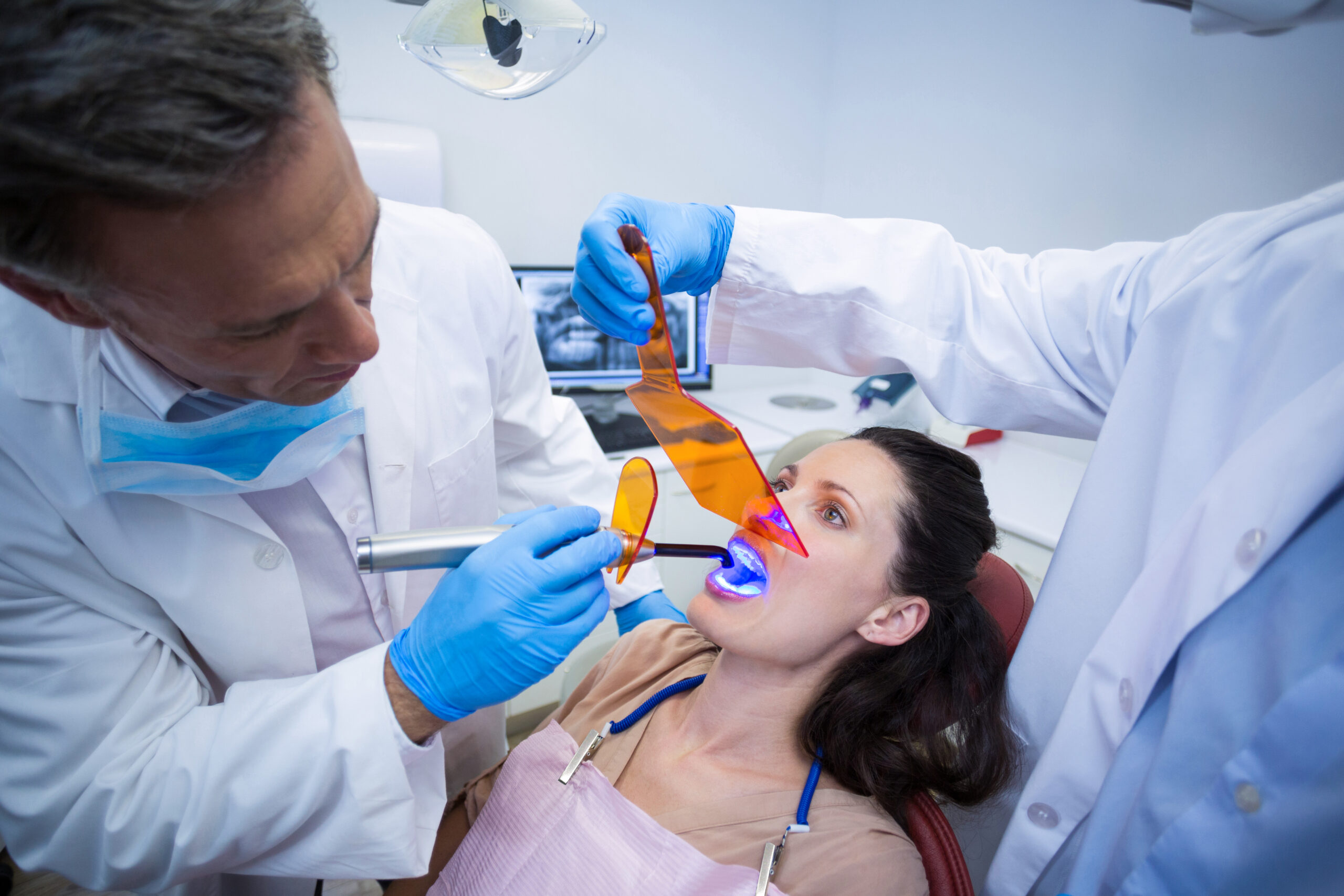
Patients exploring teeth whitening options around Little Rock often transition from home kits to in-office care after realizing that deeper stains require a more targeted method. This is where professional teeth whitening makes a noticeable difference. These options are designed to address different levels of discoloration while maintaining comfort and even results. If you have searched for professional teeth whitening near me, this is typically the level of care being referenced.
What Makes In-Office Whitening More Effective
The difference comes down to precision and depth.
In a clinical setting, whitening agents are applied evenly across all visible surfaces. This helps avoid patchy or uneven results that are common with store-bought products.
Stronger formulations allow the whitening process to reach deeper stains, not just surface discoloration. At the same time, the process is monitored to protect your gums and reduce sensitivity.
Before treatment begins, your teeth are evaluated to ensure whitening is appropriate and to tailor the approach based on your needs. This level of customization is what creates more consistent and natural-looking results.
What You Can Realistically Expect
Whitening works best when expectations are clear.
Mild sensitivity is common after treatment, but it usually fades within 24 to 48 hours. This is temporary and manageable for most people.
Results typically last between 6 months and 2 years, depending on diet and oral habits. Coffee, tea, and tobacco can shorten how long the results last, while good maintenance can extend them.
It is also important to know that crowns, veneers, and fillings do not respond to whitening agents. If these are visible, your provider may discuss ways to maintain a balanced appearance.
Why Stains Tend to Return Over Time
Whitening is not permanent because daily habits continue to affect your teeth.
Pigmented drinks like coffee and tea gradually reintroduce stains. Red wine combines color and acidity, which makes discoloration more noticeable over time. Tobacco tends to create deeper, more persistent staining.
Hydration also plays a role. A dry mouth allows staining compounds to linger longer on the enamel. Regular cleanings help remove buildup early, which is why ongoing care matters even after whitening.
When Whitening Alone May Not Be Enough
Sometimes whitening does not produce the result people expect. This usually happens when stains are deeply embedded or when the enamel structure affects how light reflects off the teeth.
In these situations, our dentists from the Little Rock community may recommend alternative cosmetic options rather than repeating whitening treatments. The goal is to create a result that looks natural and balanced, not just lighter.
A More Reliable Way to Improve Your Smile
If your teeth continue to stain despite your efforts, the issue is not your routine. It is how discoloration develops over time. For those considering a more consistent solution, scheduling a whitening consultation at Dental Solutions of Little Rock can help clarify what approach makes sense for your smile. Dr. Leslie Monroe, Dr. Caroline Mehaffy, and Dr. Camella Card focus on treatments that match your needs and expectations. Our dentists are proudly serving around the Little Rock area from our Baptist Health Drive and Chenal Parkway locations.
FAQs
Why do my teeth look more yellow after using whitening strips?
Teeth can temporarily lose moisture during whitening, which changes how light reflects. Once they rehydrate, the inner layer may appear more visible. Uneven application can also create contrast, making some areas look darker.
Is teeth whitening safe if I have sensitive teeth?
Yes, when done correctly. Professional systems allow controlled application and protective measures. Sensitivity is usually temporary and fades within a couple of days.
How long do professional whitening results actually last?
Most results last between 6 months and 2 years. Longevity depends on habits, diet, and maintenance. Occasional touch-ups help extend the results.
What foods and drinks should I avoid after getting my teeth whitened?
Avoid dark or staining items like coffee, tea, red wine, and deeply colored foods for the first 24 to 48 hours. Teeth are more porous during this period and can absorb color more easily.