
Why Does My Dental Crown Keep Falling Off?

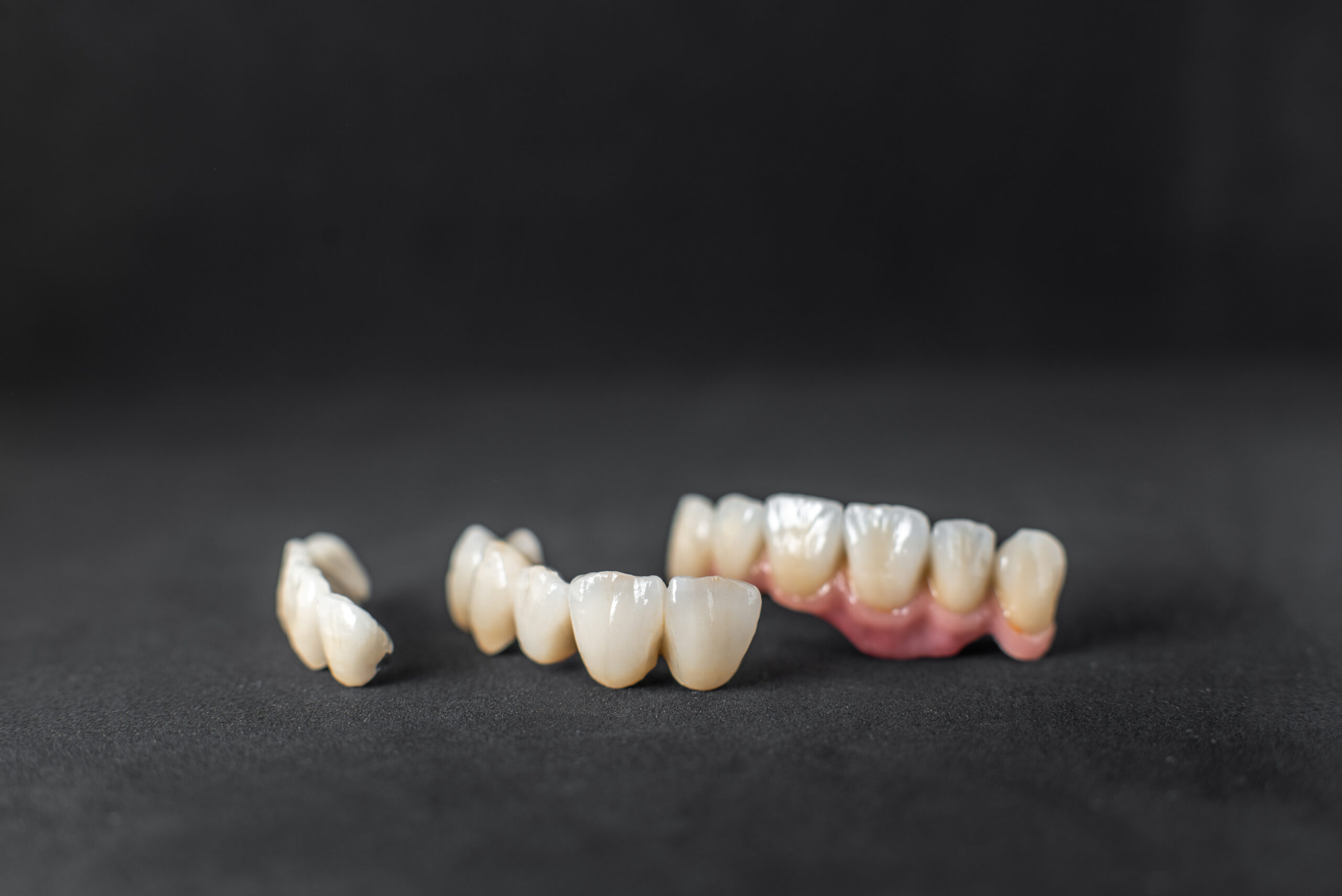
You were eating something ordinary, nothing hard or unusual, and then you felt it. A strange looseness, a shifting sensation, and suddenly your crown was sitting in your hand. If this has happened to you more than once, you are probably frustrated and wondering whether something is genuinely wrong. A dental crown that keeps coming off is not just an inconvenience. It is a signal that something underneath needs attention.
Dr. Leslie Monroe at Dental Solutions of Little Rock sees this situation regularly. Patients come in expecting a quick re-cement only to find that the crown kept falling off because of an underlying issue that was never properly addressed. Knowing what actually causes a crown to fail saves you from going through the same cycle repeatedly.
Why Crowns Come Loose in the First Place
Dental crowns do not simply fall off without a reason. There is almost always a contributing factor, and in many cases there are several working together.
Cement failure is the most straightforward cause. The bonding material that holds a crown in place gradually breaks down over time through exposure to saliva, chewing pressure, and temperature changes. When the cement weakens enough, the crown loses its grip. This is the most fixable scenario because if the crown and tooth are both in good shape, re-cementing is a quick and affordable solution.
Decay under the crown is a more serious cause that patients often do not see coming. A crown covers a tooth, but it does not make that tooth immune to decay. Bacteria can work their way in at the margin where the crown meets the gum, quietly destroying the tooth structure beneath. When enough structure is lost, the crown has nothing solid to hold onto. Patients often notice a bad taste or sensitivity before the crown actually comes off. If that sounds familiar, decay is worth ruling out before anything is re-cemented.
Teeth grinding generates enormous force on dental restorations over time. Patients who grind at night often have no idea they are doing it. The repeated stress accelerates cement breakdown and can cause crowns to rock loose gradually. A custom night guard is one of the most practical investments a crown patient can make, and it costs far less than repeated dental crown replacement over the years.
Insufficient tooth structure is a challenge that comes up when the original tooth was severely broken or had very large fillings before the crown was placed. A crown needs enough natural tooth to grip. When that foundation is minimal, the crown is more likely to loosen over time regardless of how well it was initially cemented.
A poor fit from the original placement, while less common, is also a real cause. A crown that does not sit precisely on the prepared tooth will experience uneven stress with every bite, and that stress eventually breaks the bond.
Re-Cementing vs Full Dental Crown Replacement
Not every loose crown needs to be fully replaced. The right answer depends on the condition of both the crown itself and the tooth underneath it.
Re-cementing is appropriate when the crown came off due to simple cement failure, the tooth underneath shows no decay or structural damage, and the crown still fits snugly back into place. This is a straightforward fix that can usually be done in a single visit.
Full dental crown replacement becomes necessary when there is decay under the crown that needs to be treated first, when the existing crown is cracked or worn, when the crown has come loose multiple times pointing to a deeper structural issue, or when the tooth underneath has changed enough that the original crown no longer fits correctly.
Patients across Little Rock looking into dental crown in Little Rock options are often relieved to find that same-day crown technology, using digital scans rather than traditional impressions, produces a more precise fit that reduces the likelihood of future loosening. The fit is customized to the exact current state of the tooth rather than relying on older analog methods.
When there is a question about whether re-cementing or full replacement is the right call, a dentist in Little Rock can take X-rays to assess what is happening beneath the crown before making that decision. Going straight to re-cementing without checking for decay first is a shortcut that often leads to the same problem recurring within months.
What to Do the Moment Your Crown Falls Off
Stay calm. A crown coming off is not a dental emergency in most cases, but the exposed tooth is vulnerable and needs to be protected. Rinse the crown gently with warm water. Do not scrub it or use household adhesives to try to put it back yourself. These products are not safe for oral use and can damage the tooth surface.
Avoid chewing on that side of your mouth and stay away from very hot, cold, or sticky foods until you are seen. If the tooth is sensitive, over-the-counter dental cement available at most pharmacies can be used as a very short-term temporary measure until your appointment. Contact your dentist the same day if possible. The longer a tooth is left exposed, the greater the risk of sensitivity, fracture, or bacterial entry.
For patients in Sherwood, Maumelle, or West Little Rock searching for dental crown replacement near me after hours, calling the practice directly and checking whether same-day or next-day emergency appointments are available is always worth trying before assuming you have to wait.
How to Protect Your Crown Going Forward
Once the immediate issue is resolved, a few habits make a meaningful difference in how long a crown lasts. Avoid chewing ice, hard candy, and anything that puts sudden heavy pressure directly on the crown. If you know you grind at night, ask about a custom night guard. Keep up with regular cleanings so the margins around the crown are monitored and any early decay is caught before it compromises the fit.
Most well-placed crowns last between ten and fifteen years. The ones that fail early almost always have an identifiable reason, and most of those reasons are preventable.
At Dental Solutions of Little Rock, Dr. Leslie Monroe, Dr. Caroline Mehaffy, and Dr. Camella Card assess every crown situation individually before recommending re-cementing or full dental crown replacement, so you are not paying for more than you need or less than the problem actually requires. Our dentists are proudly serving around the Little Rock area from our Baptist Health Drive and Chenal Parkway locations. If your crown has come loose or fallen off, schedule an appointment and get a clear answer on what your tooth actually needs.
FAQs
Can I re-cement my crown at home?
Temporary dental cement from a pharmacy can be used for a day or two as a short-term measure, but it is not a permanent fix. Home repair products are not designed for long-term use and can trap bacteria if left in place. See a dentist as soon as possible for a proper assessment.
How do I know if my crown needs to be replaced or just re-cemented?
If the crown came off cleanly, fits back into place snugly, and the tooth underneath shows no sensitivity or bad taste, re-cementing may be all that is needed. If the crown has come off multiple times, there is decay present, or the crown is damaged, full dental crown replacement is the more likely recommendation.
Does insurance cover dental crown replacement?
Most dental insurance plans classify crowns as a major restorative procedure and cover around fifty percent of the cost after the deductible is met. Re-cementing is typically covered at a higher rate. Check your specific plan before your appointment so you know what to expect.
How long should a dental crown last?
A well-placed crown typically lasts between ten and fifteen years. Longevity depends on the material, bite forces, oral hygiene habits, and whether the patient grinds their teeth. Regular checkups help catch early signs of wear or loosening before the crown fails completely.