Sleep Apnea Treatment in Little Rock: How Our Dentists Can Help You Sleep Better

Most people are surprised to hear their dentist can help with sleep problems. It sounds like something that belongs strictly with a physician or a sleep specialist. However, dentists often play an important role in sleep apnea treatment in Little Rock, particularly for patients with obstructive sleep apnea who are candidates for custom oral appliance therapy.
At Dental Solutions of Little Rock, we work with patients across Central Arkansas who are dealing with loud snoring, restless nights, and constant daytime fatigue. For many of these patients, the right sleep apnea treatment can lead to better sleep, improved health, and a better quality of life.
What Is Obstructive Sleep Apnea?
Obstructive sleep apnea (OSA) occurs when the muscles in the back of your throat relax too much during sleep, causing your airway to narrow or close completely for short periods. Each time this happens, your body briefly wakes itself to reopen the airway, sometimes dozens or even hundreds of times every night.
Most people with OSA are unaware these interruptions are happening. Instead, they notice that they wake up feeling tired, even after what should have been a full night’s sleep. Seeking sleep apnea treatment in Little Rock can help address the underlying cause rather than simply managing the symptoms.
Signs You Might Have Sleep Apnea
If you or your partner have noticed any of the following symptoms, it is worth discussing them with your dentist or physician:
- Loud, chronic snoring
- Gasping or choking during sleep
- Waking up with a dry mouth or sore throat
- Morning headaches
- Excessive daytime fatigue, even after a full night’s sleep
- Difficulty concentrating
- High blood pressure with no other obvious cause
Sleep apnea is more than an inconvenience. Left untreated, it has been linked to an increased risk of heart disease, stroke, high blood pressure, and type 2 diabetes. Early diagnosis and sleep apnea treatment can help reduce these risks while improving your overall well-being.
Why See a Dentist for Sleep Apnea Treatment?
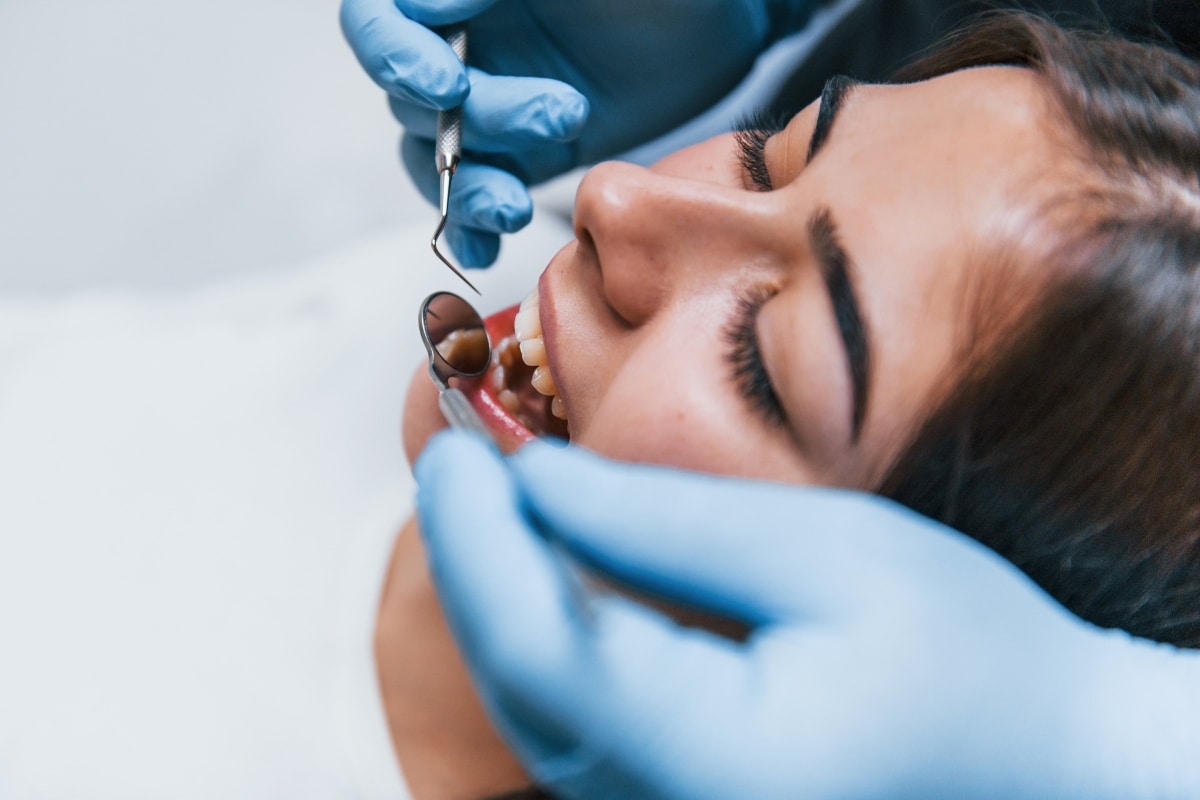
Dentists are often among the first healthcare providers to notice signs of obstructive sleep apnea because we routinely examine your mouth, jaw, tongue, and airway during dental visits. Findings such as a scalloped tongue, worn teeth from nighttime grinding, or a narrow airway can point toward an underlying sleep disorder.
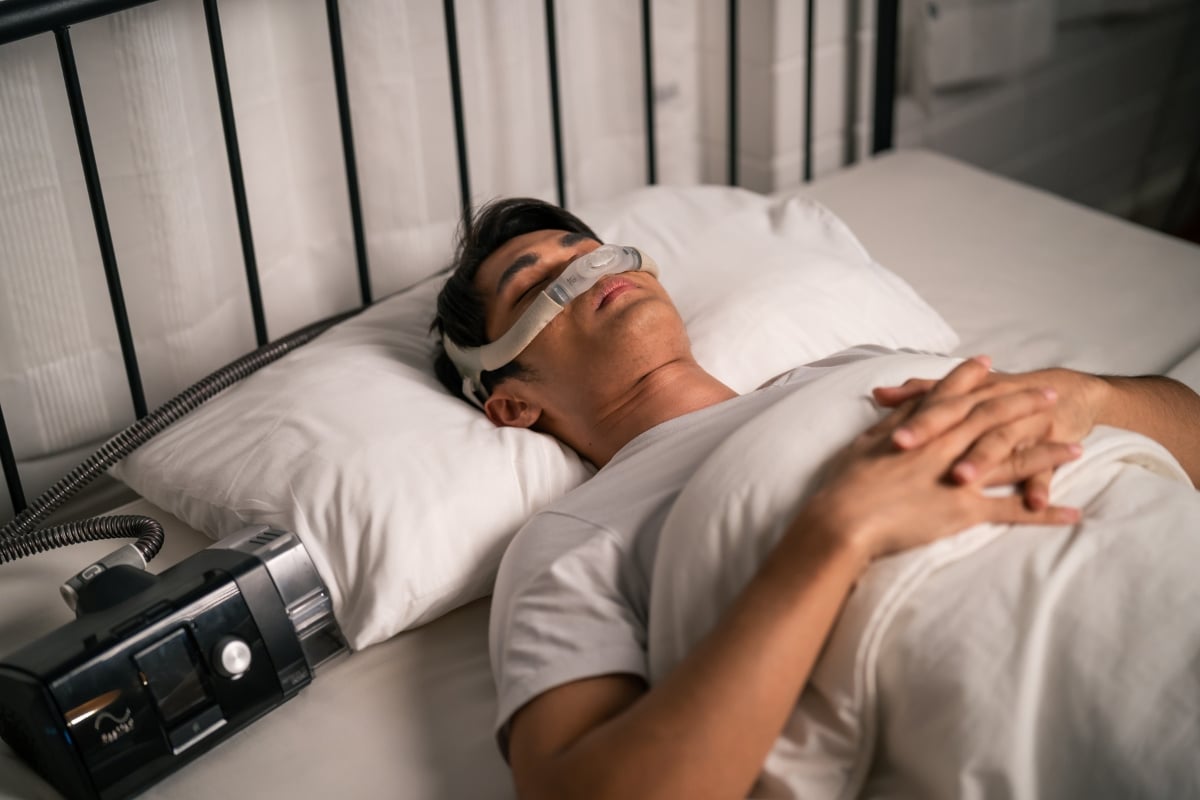
For patients diagnosed with mild to moderate obstructive sleep apnea, or for those who cannot comfortably tolerate a CPAP machine, sleep apnea treatment in Little Rock may include a custom oral appliance that is both effective and easy to wear.
How Oral Appliance Therapy Works
An oral appliance looks similar to a mouthguard but serves a very different purpose. It is custom-made to gently position your lower jaw forward, helping keep your airway open while you sleep.
Because it is compact, quiet, portable, and does not require a mask or electricity, many patients find this form of sleep apnea treatment much easier to use consistently than a CPAP machine.
The process begins with a consultation and evaluation with Dr. Leslie Monroe, Dr. Caroline Mehaffy, or Dr. Camella Card. If you have not already received a formal diagnosis, we can help coordinate a sleep study with one of our physician partners. Once sleep apnea has been confirmed and an oral appliance is appropriate, we take detailed impressions to fabricate a custom device designed specifically for your mouth and jaw.
What to Expect After Beginning Sleep Apnea Treatment
Most patients adapt to wearing their oral appliance within a couple of weeks. Some mild jaw soreness or increased saliva during the first few nights is normal and usually resolves quickly.
We schedule follow-up appointments to ensure your appliance fits comfortably, make any necessary adjustments, and verify that your sleep apnea treatment effectively keeps your airway open throughout the night.
Many patients notice significant improvements, including reduced snoring, fewer nighttime awakenings, improved energy levels, and more restful sleep.
Is Oral Appliance Therapy Right for You?
Oral appliance therapy is often an excellent option for patients with mild to moderate obstructive sleep apnea. Those with more severe cases may benefit from CPAP therapy or a combination of treatments.
During your consultation, we will recommend the sleep apnea treatment in Little Rock that best fits your diagnosis, medical history, and lifestyle. Our priority is helping you achieve healthier, more restorative sleep with the treatment that is most appropriate for your needs.
Frequently Asked Questions
1. Do I need a sleep study before starting sleep apnea treatment?
Yes. A physician or sleep specialist must diagnose obstructive sleep apnea before an oral appliance can be prescribed. If you have not completed a sleep study, we can help coordinate the process.
2. Is an oral appliance as effective as a CPAP machine?
For patients with mild to moderate obstructive sleep apnea, oral appliances can be highly effective and are often easier to wear consistently than CPAP therapy. Patients with severe sleep apnea may still require CPAP or another treatment approach.
3. How long does an oral sleep appliance last?
With proper care, most oral appliances last between three and five years before replacement is recommended.
4. Will insurance cover sleep apnea treatment?
Many medical insurance plans provide benefits for sleep apnea treatment, including custom oral appliances prescribed after a confirmed diagnosis. Our team can help you understand your coverage and available benefits.
If snoring, daytime fatigue, or restless nights have become part of your daily life, don’t ignore the signs. Our team provides personalized sleep apnea treatment in Little Rock to help patients breathe easier and sleep more comfortably. Schedule your visit either at the Baptist Health office or our Chenal Parkway office through our official website.