
Why Do Some Veneers Look Fake and How Do You Avoid That

You have seen it before. A smile that is too white, too uniform, too obvious. The teeth look like they belong on a billboard rather than a real person. If you have been thinking about veneers but that image keeps coming back to you, you are not alone. The fear of ending up with a smile that looks artificial is one of the most common reasons people hold off on getting dental veneers care, even when they genuinely want the result.
Dr. Leslie Monroe at Dental Solutions of Little Rock hears this concern at nearly every cosmetic consultation. Patients want a better smile, but they do not want anyone to know they did something about it. That is a completely reasonable goal, and it is more achievable than most people realize once you understand what actually causes veneers to look fake in the first place.
The Real Reasons Veneers Look Unnatural
Fake-looking veneers are not random. They are the result of specific, avoidable decisions made during the planning and placement process. Understanding these helps you ask better questions before committing to treatment.
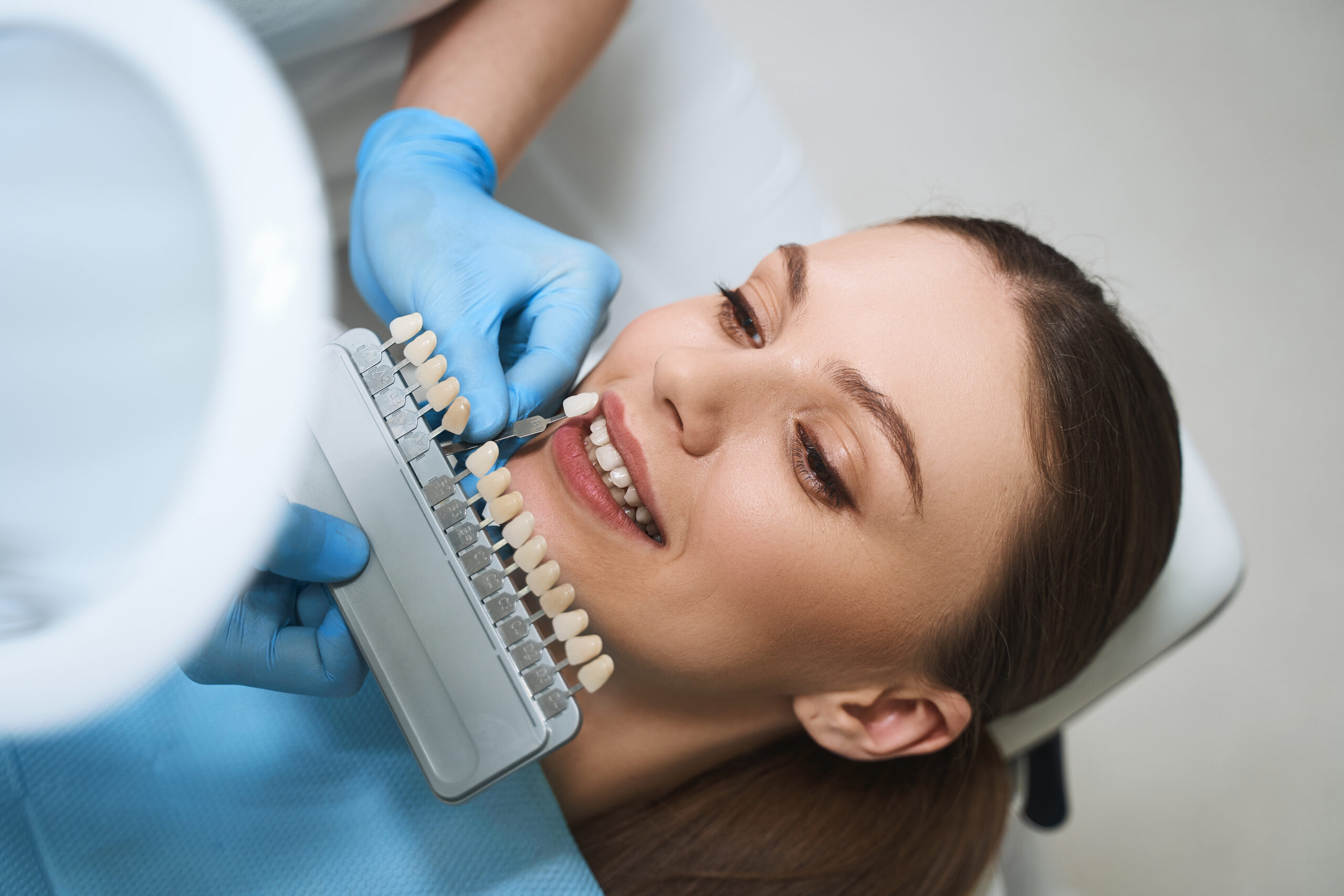
Too white is the most common problem. Natural teeth are not blinding white. They have warmth, subtle tonal variation, and slight translucency at the edges. When veneers are selected at the brightest possible shade without considering the patient’s skin tone, eye color, or age, the result looks artificial immediately. A shade that photographs well on a celebrity does not automatically look natural on every face.
Too thick is the second issue. Natural tooth enamel is slightly transparent, which allows light to pass through before reflecting outward. When veneers are too opaque or too bulky, they block that light and create a flat, lifeless appearance. Poorly fitted veneers also push outward from the tooth, creating noticeable bulk that affects speech and comfort.
Too uniform is the third problem. Real teeth are not identical. They have micro-ridges, subtle differences in length, and slight variations in tone between each tooth. When all veneers are cut to the same shape and shade without customization, the result looks manufactured rather than natural.
Wrong proportions for the face round out the list. Veneers that are too large for a person’s smile width, too square for their facial structure, or placed on too few visible teeth create an obvious mismatch between the cosmetic work and the person’s natural features.
The Difference Between Porcelain and Composite
Patients searching for composite dental veneers near me often wonder if the material matters as much as people say. It does, but not always in the way you might expect.
Porcelain handles light more like natural enamel. It has a semi-transparent quality at the edges that composite resin struggles to replicate consistently. For larger smile makeovers or cases where patients want a highly natural finish at close range, porcelain tends to produce more convincing results over time.
Composite veneers can look very natural for smaller corrections when applied conservatively and shaped with care. The limitation is that composite is more prone to surface staining and can lose its finish over several years, which makes the work more visible as it ages.
The right choice depends on the specific case, the number of teeth involved, and what the patient is trying to correct. This is a conversation worth having in detail during a consultation rather than deciding based on cost alone.
What Natural-Looking Veneers Actually Involve
Patients across Little Rock, Bryant, Benton, and Maumelle who come in for veneer consultations are often surprised by how much planning goes into a natural result before any preparation begins.
A cosmetic dentist should evaluate lip movement, smile width, facial proportions, and bite pressure before recommending a design. Shade selection should account for skin tone and the whites of the patient’s eyes, not just what looks brightest in a photo. The number of teeth treated matters too. Treating too few visible teeth in a broad smile can create a visible contrast line between the veneers and natural teeth.
For patients looking for veneers in Little Rock who are concerned about a natural outcome, the most important question to ask any provider is whether they customize each case individually or follow a standard formula. The difference in result is significant.
If you want to understand what your smile would look like before anything is permanent, ask about digital smile design or a trial smile. Seeing a preview before enamel is prepared removes a large part of the uncertainty that makes patients hesitant.
How to Protect Veneers Once You Have Them
Proper dental veneers care extends the life of the result and keeps the appearance consistent over time. Veneers are durable but not indestructible.
Use a non-abrasive toothpaste. Abrasive formulas can dull the surface of porcelain over time and make it more prone to picking up staining. Avoid biting hard objects directly with veneered teeth, including ice, hard candy, and fingernails. If you grind your teeth at night, a custom night guard protects the veneers from wear that would otherwise shorten their lifespan significantly.
Regular professional cleanings matter more after veneers than before. Buildup along the margins where the veneer meets the gumline can affect both appearance and gum health if left unaddressed. Most patients with well-maintained veneers see results that last between ten and fifteen years before any replacement is considered.
A dentist in Little Rock who placed your veneers is also best positioned to monitor them at regular visits and catch any early signs of wear, lifting, or color change before they become bigger issues.
Getting the Result You Actually Want
The difference between veneers that look fake and veneers that look like a better version of your own teeth comes down to planning, customization, and choosing a provider who takes both seriously. The goal is not the most dramatic transformation possible. It is a result that still feels like you.
At Dental Solutions of Little Rock, Dr. Leslie Monroe, Dr. Caroline Mehaffy, and Dr. Camella Card approach every cosmetic case with a focus on proportion, shade, and individual fit rather than a standard template. Our dentists are proudly serving around the Little Rock area from our Baptist Health Drive and Chenal Parkway locations. If you have questions about veneers or want to understand what a natural result would look like for your smile, schedule a consultation and get a clear picture before making any decisions.
FAQs
Why do some veneers look so obviously fake?
The most common reasons are veneers that are too white for the patient’s skin tone, too thick or bulky, too uniform in shape, or not proportioned correctly for the patient’s face. These are planning and execution issues, not inherent problems with veneers as a treatment.
Can veneers ever look completely natural?
Yes. When shade, shape, size, and translucency are all customized to the individual patient, well-placed veneers are virtually undetectable. Most people simply notice that the smile looks refreshed without being able to identify what changed.
Is porcelain better than composite for natural-looking veneers?
Porcelain tends to replicate the light-reflecting quality of natural enamel more convincingly, especially for larger cases. Composite can look natural for minor corrections but may show wear or staining over time more noticeably than porcelain.
How long do veneers last with proper care?
Porcelain veneers typically last ten to fifteen years with good dental veneers care. Avoiding abrasive toothpaste, wearing a night guard if you grind, and keeping up with regular cleanings all contribute to a longer lifespan.