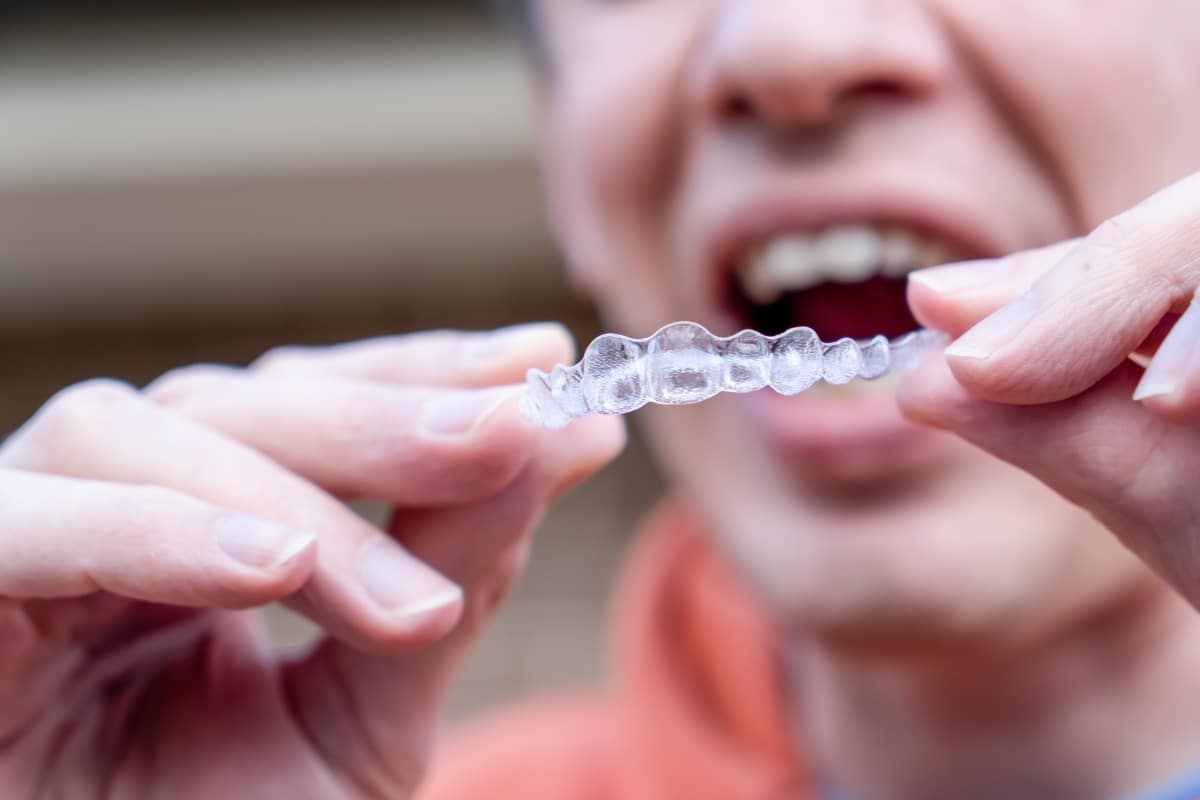
What Happens If You Don’t Wear Invisalign 22 Hours a Day?

Invisalign has transformed the way people straighten their teeth. These clear aligners offer a discreet and comfortable alternative to traditional braces. However, its success depends heavily on how consistently you wear your aligners each day.
Many patients feel tempted to remove their aligners more often than recommended. Maybe it is during a long dinner at a local restaurant, while chatting with friends, or during a busy workday. While it might seem harmless, even small deviations from the recommended wear time can slow your progress and affect results.
This teeth alignment treatment is designed to work when worn 20–22 hours daily. When patients do not follow this schedule, tooth movement may slow or stop entirely. Understanding why this wear time matters can help protect your investment in a healthier, straighter smile.
In this blog, you will get to know what happens if you do not wear your aligners long enough, how it affects treatment, and what you can do to stay on track. Read this blog till the end for comprehensive information.
Why Invisalign Requires 22 Hours of Wear Each Day?
These removable aligners apply gentle pressure to guide teeth into better positions over time. Each aligner tray is carefully designed to move teeth slightly before the next set continues the process.
For this movement to occur, the aligners must remain in contact with your teeth for most of the day. When these teeth straighteners are removed for extended periods, the pressure stops. Teeth can begin shifting back toward their original positions.
Wearing aligners for the recommended hours daily ensures:
- Continuous pressure on teeth
- Predictable movement according to treatment plans
- Faster progress through aligner stages
- Proper fit of each new tray
Think of Invisalign like a carefully planned roadmap for your teeth. Skipping wear time interrupts that journey and may create delays or complications.
What Happens If You Don’t Wear the Aligners Long Enough?
Many patients wonder whether missing a few hours occasionally really matters. The truth is that consistent wear time is critical for predictable results.
Here are the most common consequences when aligners are not worn for the recommended duration.
Slower Treatment Progress
Every aligner tray is designed for a specific period, usually about one to two weeks. If the aligners are not worn each day enough, the teeth may not complete the planned movement before switching trays.
This can delay the entire treatment timeline. What could have taken months may extend longer simply because the aligners were not worn consistently.
Aligners May Stop Fitting Properly
If teeth do not move as expected, the next aligner in the sequence may feel tight or uncomfortable. Some patients notice gaps between the aligner and their teeth.
Poorly fitting aligners are a sign that teeth have fallen behind the treatment schedule. When this happens, additional trays or adjustments may be necessary.
Teeth Can Shift Backward
Teeth naturally tend to move back to their original positions. If aligners are removed for long periods, especially overnight or during the day, teeth can begin shifting back.
Even small movements can affect how well future trays fit. This reversal can reduce treatment efficiency and make progress inconsistent.
Increased Discomfort
When aligners are not worn regularly, putting them back in may feel more uncomfortable. The pressure feels stronger because the teeth have moved away from the planned position.
Patients sometimes mistake this discomfort for a problem with the aligners. In reality, it often results from inconsistent wear.
Extra Treatment Duration
When teeth do not move as expected, dentists may need to extend treatment or order refinement trays. These additional aligners help correct teeth that did not move properly during earlier stages.
While refinements are sometimes part of treatment, skipping wear time makes them more likely to occur.
Common Situations That Lead to Reduced Wear Time
Even motivated patients sometimes struggle to keep aligners in for the full 22 hours. Identifying these situations can help you avoid them.
Long Meals or Social Gatherings
Spending an evening at a popular local spot like the historic River Market area or enjoying Arkansas barbecue can stretch meal times. However, leaving aligners out too long during these outings can reduce wear time.
Forgetting to Put Aligners Back In
After eating or brushing, some patients simply forget to reinsert their trays. A quick distraction can turn a short break into several hours.
Removing Aligners During Work or Events
Professional meetings, presentations, or special events sometimes make patients feel tempted to remove their aligners longer than necessary. This can compromise the effectiveness of their treatment.
Snacking Frequently
Frequent snacking means removing aligners repeatedly. Over time, those small breaks add up and reduce daily wear time.
Being aware of these habits can help you maintain the consistency needed for effective treatment.
How to Stay Consistent With Invisalign Wear Time?
Consistency is the key to achieving the desired results. Fortunately, a few simple habits can make it easier to meet the recommended wear time.
- Set Daily Reminders: Phone reminders or Invisalign tracking apps can help ensure you put aligners back in after meals.
- Plan Meal Times: Try grouping meals and snacks together rather than removing aligners repeatedly throughout the day.
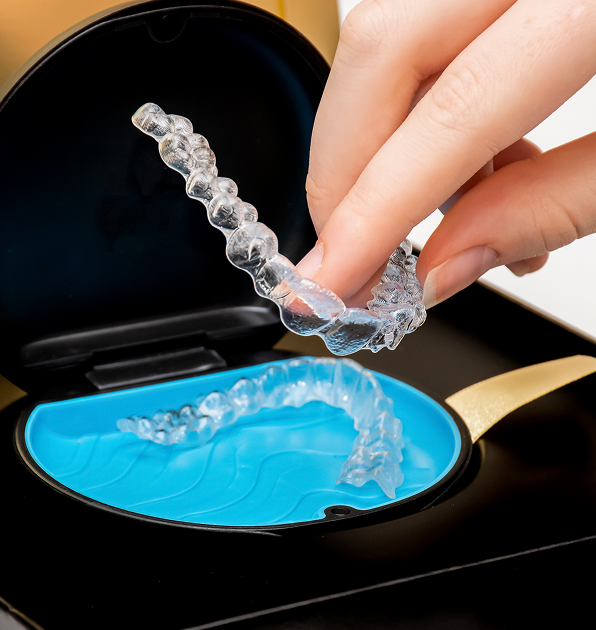
- Carry Your Aligner Case: Keeping your case nearby protects aligners when removed and reminds you to put them back in quickly.
- Follow Your Treatment Schedule: Switch aligners exactly as instructed and attend checkups to monitor progress.
These habits help ensure your treatment stays on track and delivers the results you expect.
Why Professional Monitoring Matters During the Clear Aligner Treatment?
Clear aligner treatment involves more than simply wearing trays. Professional monitoring ensures teeth are moving correctly and that adjustments can be made when needed.
Dentists evaluate how your teeth respond to each aligner stage. If movement is slower than expected, they can recommend solutions such as additional wear time or refinements.
At Dental Solutions of Little Rock, Invisalign treatment is carefully planned using advanced digital technology. This allows dentists to map precise tooth movements and guide patients through each stage of the alignment process.
Regular visits help ensure your progress stays on schedule and your aligners continue fitting properly.
The Benefits of Following the 22-Hour Rule
Patients who consistently wear their aligners experience several advantages, and they are as follows:
- Faster and more predictable results
- Fewer treatment delays
- Better aligner fit
- Reduced need for refinements
- Improved final smile alignment
These benefits make the daily commitment worthwhile. These clear aligners work best when patients stay dedicated to the treatment plan.
Straighten Your Smile With Top-Quality Professional Care
Clear aligners offer a convenient way to improve your smile without traditional braces. However, success depends on wearing them consistently each day.
If you are struggling to keep up with the recommended wear time or have questions about your aligners, the team at Dental Solutions of Little Rock can help. Our dentists provide personalized Invisalign treatment plans designed to deliver precise, predictable results.
Or else, if you want to start Invisalign treatment or ensure your current plan is on track, schedule a consultation today. Our team is ready to guide you toward a healthier, straighter smile. Book your appointment today for a straighter dental alignment!
Frequently Asked Questions
1. What happens if I forget to wear my Invisalign for a day?
Missing a full day can slow tooth movement and cause aligners to feel tight when reinserted. Contact your dentist if this happens, so they can advise whether to extend wear time.
2. Can wearing Invisalign for less than 22 hours delay treatment?
Yes. Reduced wear time slows tooth movement and may prevent aligners from fitting properly. This can extend treatment and sometimes require additional aligner sets to correct incomplete tooth movement.
3. Why do my aligners feel tight after not wearing them?
Tightness usually occurs because teeth shift slightly when aligners are removed for too long. Reinserting the aligners restores pressure that continues the planned tooth movement process.
4. Is it okay to remove Invisalign for social events?
Short removals for meals or events are fine, but aligners should still be worn most of the day. Extended removal reduces effectiveness and may slow treatment progress significantly.
5. Can skipping wear time affect my final results?
Yes. Inconsistent wear can cause teeth to move unpredictably, making it harder to achieve the desired alignment. Following the recommended schedule helps ensure accurate and lasting results.
6. What should I do if my aligners stop fitting properly?
If aligners no longer fit correctly, avoid switching to the next tray immediately. Contact your dentist for guidance because teeth may need additional time or adjustments before progressing.
7. How can I make Invisalign easier to follow daily?
Set reminders after meals, carry your aligner case, and plan snack times carefully. These habits help maintain the recommended wear time and support consistent progress during treatment.