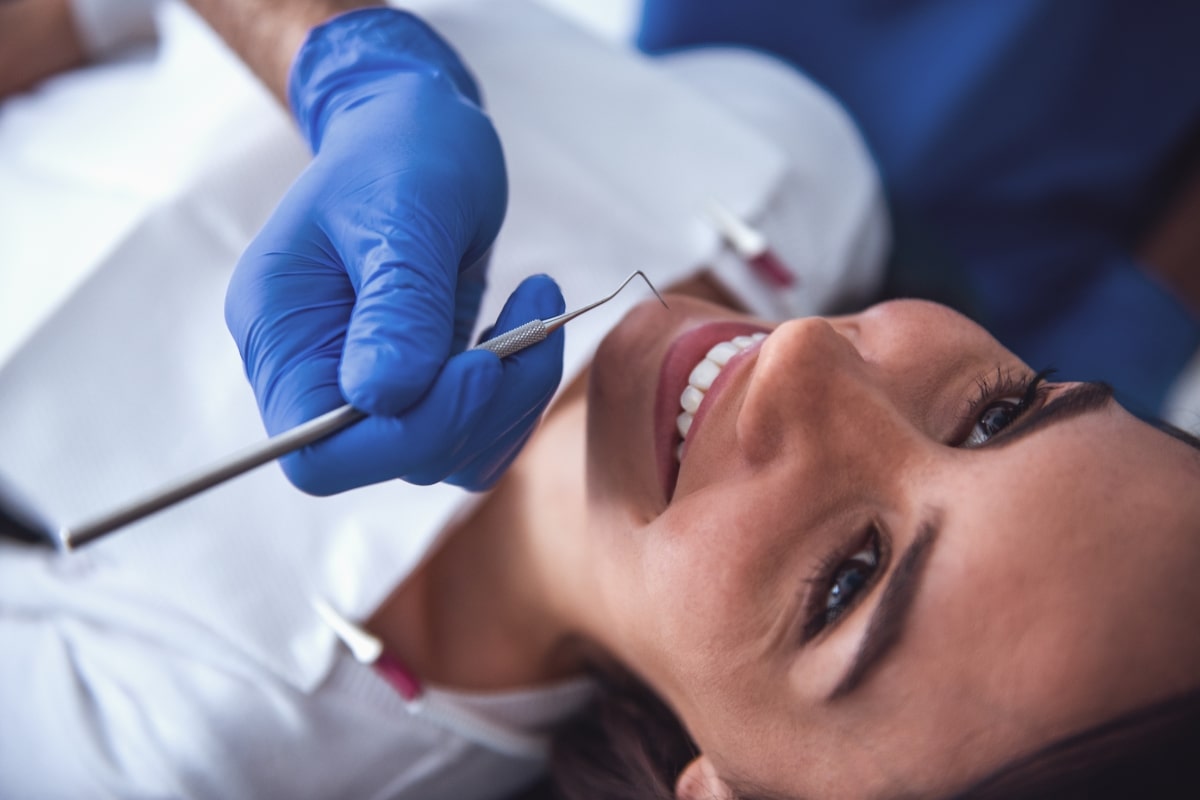
How Timely a Visit to a Dentist Saves Enamel Loss?

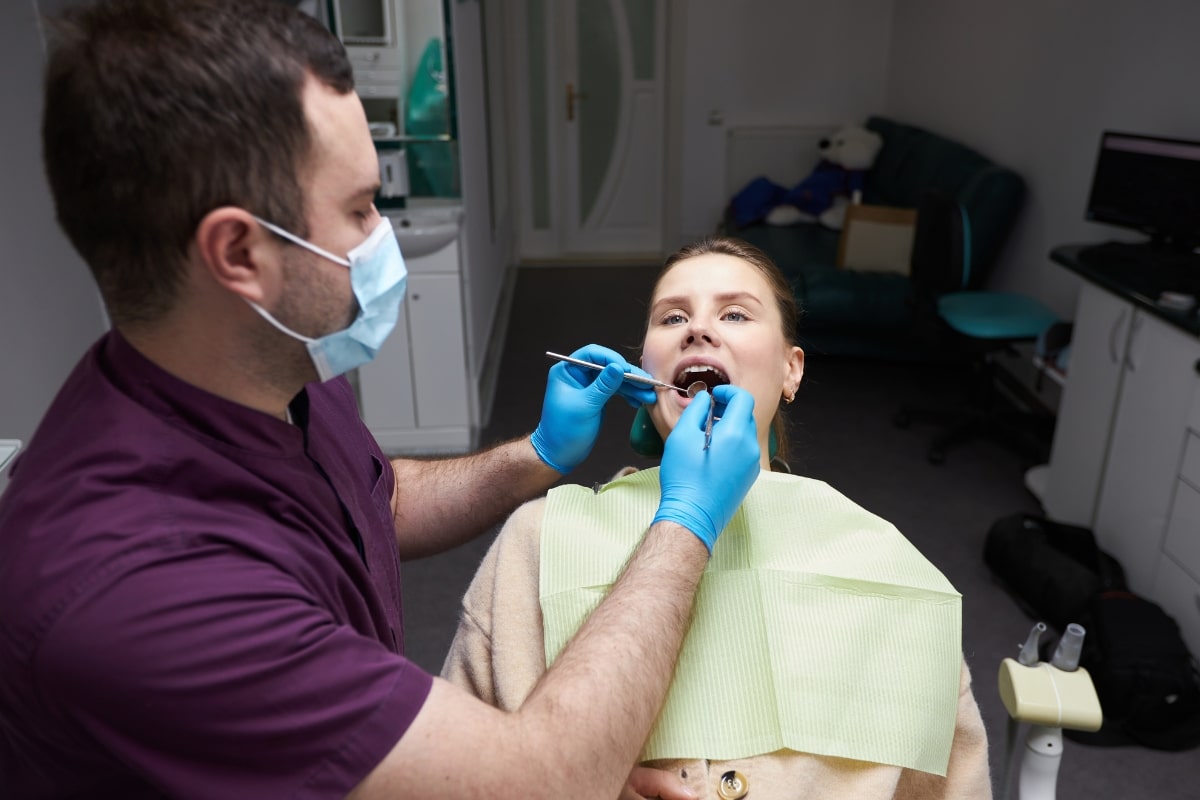
Here’s a fact that surprises most people: your body can heal a broken bone, a cut, even a torn muscle. But enamel? Once it’s gone, it’s gone. No regrowth. No second chance.
That’s why timing matters so much. A quick visit to a dentist in Little Rock can stop enamel damage while it’s small and fixable. Wait too long, and you’re looking at fillings, crowns, maybe worse. So let’s talk about what enamel actually does, how you lose it, and how an early visit changes the whole story.
What Enamel Is and Why You Can’t Grow It Back
Enamel is the hard, outer shell of each tooth. It’s the toughest substance in your body, tougher than bone. Its job is simple: protect the softer layer underneath (dentin) and the nerve inside.
But enamel has no living cells. Nothing in it can repair itself the way skin does. Your saliva can bring minerals back to a weak spot, and fluoride helps that process along. That’s called remineralization, and it works on very early damage. Once there’s an actual hole, though, no amount of brushing brings it back.
How Enamel Wears Away
Enamel loss rarely comes from one big event. It’s slow. Little by little, a few usual suspects chip away at it:
- Acid from bacteria: Plaque bacteria feed on sugar and make acid. That acid pulls minerals out of enamel and eventually makes cavities.
- Acidic food and drinks: Soda, sports drinks, citrus, wine, even sparkling water can soften enamel with frequent sipping.
- Acid reflux and vomiting: Stomach acid is strong stuff. Repeated exposure wears enamel down, especially on the back of the teeth.
- Grinding and clenching: Many people grind at night and never know it. The flat, worn-down tops of teeth give it away.
- Brushing too hard: More pressure isn’t better. Hard bristles and heavy scrubbing can thin enamel near the gumline.
- Dry mouth: Saliva protects your teeth. Less of it means less protection.
Notice how most of these don’t hurt at first? That’s the trap.
Early Signs You Shouldn’t Ignore
Enamel loss sneaks up. Still, your teeth give hints if you pay attention:
- Sensitivity to hot, cold, or sweet foods
- Teeth that look yellow, because the dentin underneath shows through
- Rough or uneven edges, or small chips
- Teeth that look glassy or see-through at the edges
- White chalky spots, an early sign of mineral loss
- Dents or cupping on the biting surface
Spot any of these? Don’t wait for a toothache. Book a visit with a dentist in Little Rock and get it checked now, while the damage is small.
What Happens When You Wait
Let’s be honest. Most of us put off the dentist when nothing hurts. It makes sense, but it costs more later. Here’s the usual path:
- Early enamel weakens, showing up as chalky spots or mild sensitivity
- The weak spot breaks down into a small cavity
- The cavity spreads into the dentin, which is softer and decays faster
- The nerve gets infected, and now you’ve got real pain
- You need a root canal and a crown, or the tooth comes out
Every step is more expensive, more invasive, and more uncomfortable than the one before. A tooth with a small cavity needs a filling. A tooth with a dead nerve needs a lot more.
How an Early Visit Protects Your Enamel
This is the good part. A timely visit changes what’s possible.
Catching problems early: A dentist spots weak spots, tiny cavities, and wear patterns long before you feel them. X-rays show decay between teeth and under fillings, where your eyes and mirror can’t reach.
Fluoride treatments: Professional fluoride is stronger than anything in toothpaste. On early damage, it can help the tooth remineralize and reverse the problem before a cavity forms.
Dental sealants: A thin protective coating on the chewing surfaces of back teeth blocks bacteria and acid from settling into the grooves. A dentist near Little Rock can apply these quickly, with no drilling.
Professional cleanings: Plaque and tartar build up where brushing misses. Tartar can’t be brushed off, and it keeps feeding acid onto your enamel. A cleaning removes it.
Fixing small problems small: A tiny cavity needs a small filling. Bonding can repair a chip or a worn spot. These are quick, simple fixes that protect the rest of the tooth.
Custom nightguards: If you grind your teeth, a guard protects the enamel from wearing down further.
What If Enamel Is Already Gone?
It happens. Don’t panic. Your dentist can’t regrow enamel, but they can protect what’s left and restore what’s missing:
- Bonding covers chips and worn areas with tooth-colored resin
- Fillings repair cavities
- Veneers cover worn or damaged front teeth
- Crowns cover and strengthen badly weakened teeth
The earlier you start, the simpler the option. That’s the whole point.
Daily Habits That Protect Your Enamel
Your visits matter, and so does what you do at home:
- Brush twice a day with fluoride toothpaste, using a soft brush and gentle pressure
- Floss daily
- Cut back on sipping soda, juice, and sports drinks through the day
- Drink water after acidic or sugary food
- Wait about 30 minutes after eating something acidic before you brush
- Chew sugar-free gum to boost saliva
- Tell your dentist about reflux or nighttime grinding
How Often Should You Go?
Most people do well with a checkup and cleaning every six months. If you get cavities easily, have gum disease, grind your teeth, or deal with dry mouth or reflux, your dentist may want to see you more often. Finding a dentist in Little Rock you trust makes keeping that schedule a lot easier.
FAQs: Frequently Asked Questions
Q: Can enamel grow back?
No. Enamel has no living cells, so it can’t regenerate. Very early mineral loss can be reversed with fluoride and good hygiene, but once enamel breaks down, it needs a dental repair.
Q: How do I know if I’m losing enamel?
Common signs include sensitivity, yellowing teeth, rough edges, and chalky spots. A dentist can confirm it with an exam and X-rays.
Q: How often should I see a dentist in Little Rock for enamel protection?
Every six months works for most people. Your dentist may suggest more frequent visits if you’re at higher risk for decay or wear.
Q: Is sensitive teeth always a sign of enamel loss?
Not always. Gum recession, cracks, and cavities can also cause sensitivity. Since the causes differ, it’s worth having a dentist check.
Q: Do whitening toothpastes damage enamel?
Some are more abrasive than others. Ask your dentist which products are safe for you, especially if your teeth already feel sensitive.
Q: What’s the best way to stop enamel erosion?
Cut back on acidic drinks, brush gently with fluoride toothpaste, treat reflux or grinding, and keep up with regular dental visits.
Protect What You Can’t Replace
Enamel is the one part of your teeth you only get once. Small problems are easy to fix, and big ones aren’t. A visit now saves you a lot of time, money, and discomfort later.
If it’s been a while, now’s a good time. Our team is a friendly dentist in Little Rock ready to check your enamel, explain what we see in plain words, and build a plan to keep your teeth strong. Schedule your appointment or visit us at our clinic at 9601 Baptist Health Dr, Little Rock, AR 72205, to consult with our expert dentist in Little Rock.