
When Should You Visit a Dentist Near You for a Toothache?

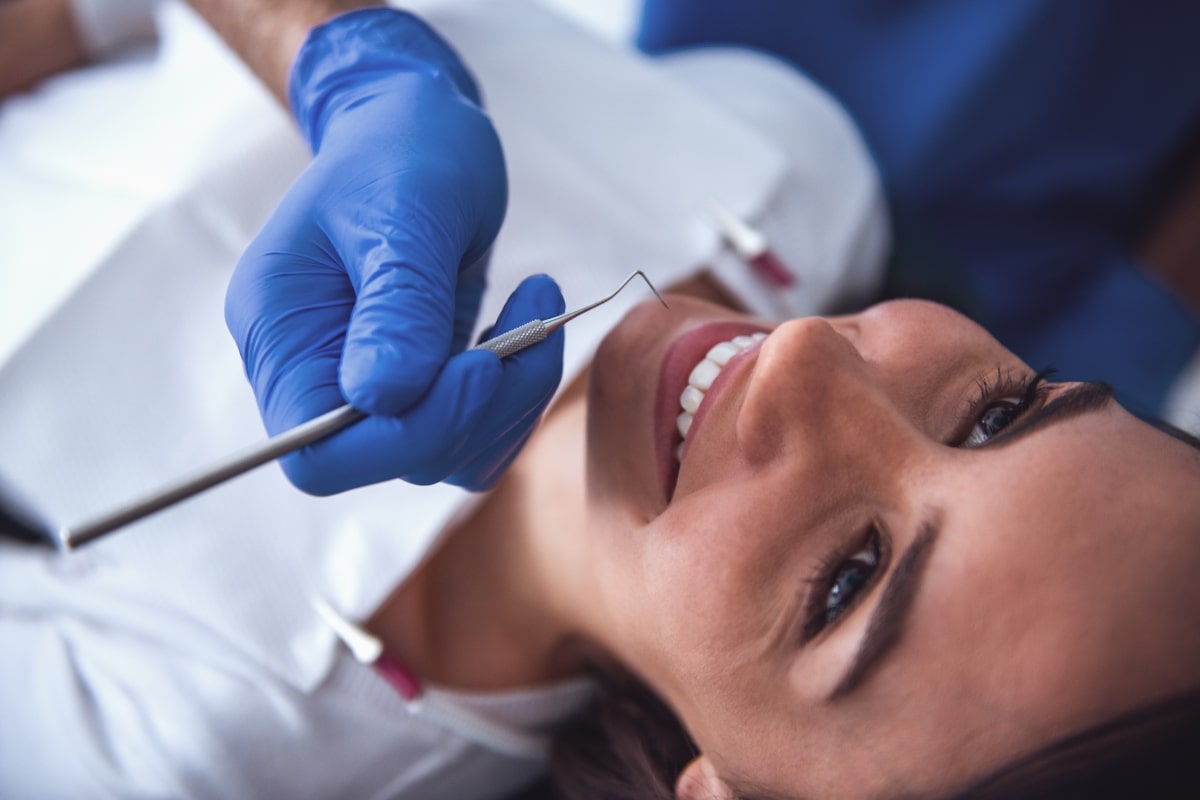
You know that feeling. You’re eating something, everything’s fine, and then, bam. A sharp jolt of pain shoots through your tooth and ruins the moment. Or maybe it’s not sharp at all. Just a dull, nagging ache that won’t quit, sitting there in the back of your mind all day.
So, what do you do? Wait it out? Pop an Advil and hope for the best? Or is it time to actually book with a dentist near you? Honestly, it depends. But some pretty clear signs tell you when a toothache has crossed the line from “annoying” to “get to a dentist now.” Let’s break it down.
Why Toothaches Happen in the First Place
Tooth pain isn’t random. It’s your body waving a red flag. A few of the usual suspects:
- Cavities. Decay eats through enamel and hits the nerve. That’s when things start to hurt.
- Gum disease. Swollen, infected gums can cause pain that radiates around the whole mouth.
- Cracked or chipped teeth. Sometimes from grinding, sometimes from biting down on something hard you really shouldn’t have.
- Abscess. This one’s serious, a pocket of infection at the root of the tooth. Painful, and it doesn’t go away on its own.
- Sinus pressure. Believe it or not, your sinuses can make your upper teeth ache too. Weird, but true.
Figuring out which one you’re dealing with isn’t really a DIY job. That’s what a dentist near me search is for.
The Signs You Shouldn’t Ignore
Not every toothache means “drop everything.” But some definitely do. Here’s when you should stop putting it off and actually go see a dentist near you.
1. The pain doesn’t let up: A little sensitivity after eating ice cream? Normal, mostly. But pain that lingers for more than a day or two, especially if it’s getting worse instead of better, that’s your cue.
2. Swelling in your face or jaw: This one’s a bigger deal than people think. Swelling can mean infection, and infection near your mouth can spread fast if it’s not treated. Don’t wait on this.
3. Fever along with the tooth pain: Combine a toothache with a fever and you’ve likely got an infection that needs attention right away. This isn’t a “wait and see” situation.
4. Pain when you bite down: This often points to a crack, a loose filling, or decay that’s gone deep. It won’t heal by itself, unfortunately.
5. Bad taste or pus near the tooth: Gross, yes. But also a strong sign of an abscess. This needs a dentist, not a home remedy.
6. Pain that spreads to your ear, jaw, or neck: Toothaches can radiate. If the pain isn’t staying put, get it looked at.
Ever wonder why some toothaches feel like they come out of nowhere? A lot of the time, the damage has actually been building for weeks, you just didn’t feel it until now. That’s kind of how teeth work. Quiet, until they’re not.
What Happens When You Visit the Dentist
People put off going because they’re picturing drills and needles. Fair enough. But most visits start a lot simpler than that.
A dentist near you visit usually goes like this: you explain what’s going on, they take a look (maybe an X-ray), and they figure out the actual cause. Sometimes it’s a quick fix, a filling, a cleaning, or some antibiotics if there’s an infection. Other times it’s a bit more involved, like a root canal. Either way, you’ll know what’s going on, and that alone takes a lot of the stress out of it.
Waiting, on the other hand, usually makes things worse. A small cavity today can turn into a root canal in a few months. Or worse, a lost tooth. So yeah, earlier is better. Almost always.
Why Location Actually Matters Here
When your tooth is throbbing at 9 PM on a Tuesday, you’re not going to want to drive across town. That’s the real reason “dentist near me” searches spike so much: people want close care, fast, and don’t want to add a 40-minute commute to an already bad day.
If you’re in central Arkansas, finding a trusted dentist in Little Rock means you’ve got someone local who knows the area, takes walk-ins or urgent cases, and isn’t going to leave you waiting weeks for an appointment. A dentist in Little Rock who understands emergency dental care can usually get you seen same-day or next-day, which matters a lot when you’re in pain. So next time you’re typing “dentist near me” into Google at midnight, know that it’s not overkill; it’s the right move.
FAQ: Toothaches and Dental Visits
Q: How do I know if my toothache is an emergency?
If there’s swelling, fever, pus, or pain that’s getting worse instead of better, treat it as urgent. Don’t wait it out.
Q: Can a toothache go away on its own?
Sometimes minor sensitivity fades. But pain tied to decay, infection, or a crack won’t fix itself. It’ll come back, usually worse.
Q: What can I do at home before I see a dentist near you?
Rinse with warm salt water, take an over-the-counter pain reliever, and avoid very hot or cold foods. These help temporarily; they’re not a substitute for treatment.
Q: How fast can a dentist in Little Rock see me for an emergency?
Most local practices offer same-day or next-day emergency slots. It’s worth calling and explaining your symptoms so they can prioritize you.
Q: Is tooth pain always about the tooth itself?
Not always. Sinus issues, jaw problems, and even nerve pain elsewhere in the face can feel like a toothache. A dentist can help figure out the real source.
Don’t Wait Until It’s Worse
Toothaches are your body’s way of saying “hey, something’s wrong here.” Ignoring it doesn’t make the problem disappear; it just gives it more time to get worse. If you’re dealing with pain that won’t quit, swelling, or anything that feels off, it’s time to search for a dentist near you and get it checked out.
If you’re local to central Arkansas, Dental Solutions of Little Rock is here to help you out. As a trusted dentist in Little Rock, we offer prompt appointments, honest diagnoses, and treatment plans at both the Baptist Health Office and the Chenal Pkwy office. Don’t let a toothache run your week; reach out today, and let’s get you back to feeling normal again. Schedule your visit to see a dentist near you today.