How Dental Implants Help Prevent Facial Collapse and Premature Aging After Tooth Loss

Losing a tooth is not just about a gap in your smile. Many people assume it is only a cosmetic concern. In reality, missing teeth can slowly change the shape of your face and make you appear older than you truly are.
Tooth loss affects the underlying bone structure that supports your facial muscles. When that support weakens, the face can begin to sink inward, creating wrinkles and a sunken appearance. Over time, this process can lead to what dentists call facial collapse.
Fortunately, modern dentistry offers a solution that does more than replace missing teeth. Dental implants can help restore both function and facial structure. Understanding how this treatment works can help you protect your smile and maintain a youthful appearance.
Why Tooth Loss Affects Your Facial Appearance?
Your teeth play a critical role in supporting the natural shape of your face. Each tooth root sits inside the jawbone and stimulates the bone every time you chew.
When a tooth is lost, that stimulation disappears. Without it, the jawbone begins to shrink over time.
This process is called bone resorption, and it can start surprisingly quickly after tooth loss. As the bone shrinks, the lower part of the face may lose support. This can lead to noticeable changes such as:
- Sunken cheeks
- Thinner lips
- Wrinkles around the mouth
- A collapsed jawline
- A shorter facial height
Many people notice these changes gradually. Someone who loses several teeth may appear years older because the facial structure no longer has proper support.
This is why replacing missing teeth promptly is important not only for oral health but also for preserving your appearance.
The Hidden Aging Effects of Missing Teeth
The connection between tooth loss and premature aging often surprises patients. When teeth are missing, the facial muscles and skin lose the natural framework that keeps everything in position.
Over time, this can create an aged appearance similar to what happens naturally later in life. Some of the most common changes include:
- Sunken Facial Structure: Without the support of teeth and jawbone, the lower face can begin to cave inward.
- Increased Wrinkles Around the Mouth: The lips may fold inward, creating deeper lines around the mouth.
- Changes in Jaw Alignment: Teeth help maintain proper bite alignment. Missing teeth can cause the remaining teeth to shift, altering the shape of the face.
- Reduced Chin Support: Bone loss can make the chin appear closer to the nose, which shortens the lower face.
These changes do not occur overnight, but they progress steadily when tooth loss is not treated.
Why Delaying Missing Teeth Replacement Can Make Things Worse?
Many people delay replacing missing teeth because they feel they can manage without them. Unfortunately, waiting often leads to more complex dental problems.
The longer a gap remains, the more bone loss can occur. This not only affects facial structure but can also make future tooth replacement more difficult.
Delaying treatment may lead to:
- Significant jawbone loss
- Movement of surrounding teeth
- Bite problems
- Difficulty chewing certain foods
- Greater changes in facial appearance
People who enjoy local favorites like fried catfish, smoked barbecue, or tender brisket may start noticing that chewing becomes uncomfortable. Over time, many begin avoiding certain foods entirely.
Addressing missing teeth early can help prevent these complications and protect both oral health and facial structure.
How Implants Protect Facial Structure?
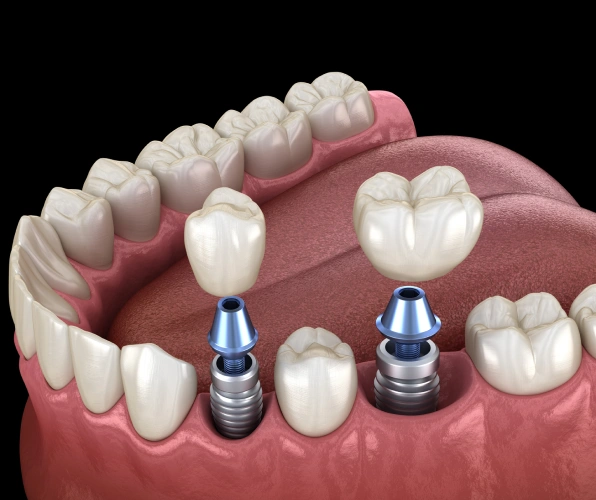
Implants are widely considered one of the most effective ways to replace missing teeth. Unlike traditional options that sit on top of the gums, implants replace the entire tooth structure.
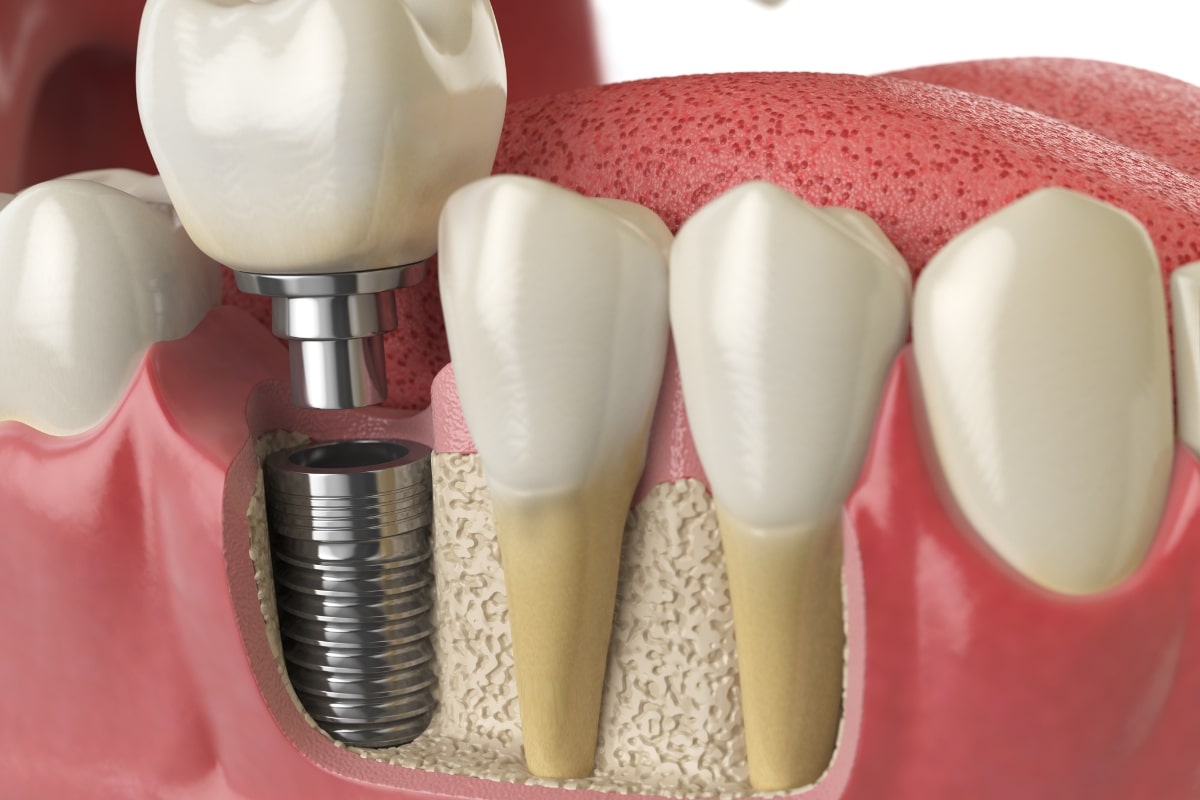
Each implant includes a titanium post placed into the jawbone. This post acts like an artificial tooth root.
Once placed, the implant fuses with the jawbone through a natural process called osseointegration. This bond allows the implant to stimulate the bone when you chew, just like a natural tooth.
Due to this stimulation, these artificial tooth roots prevent bone loss and maintain the natural shape of the face.
Key benefits include:
- Preserving jawbone density
- Supporting facial muscles
- Maintaining natural facial proportions
- Preventing the sunken look associated with missing teeth
This makes implants unique among tooth replacement options.
Implants Do More Than Restore a Smile
Many people initially consider this dental restoration to fill a gap in their smile. While that is certainly an important benefit, implants offer much more.
Patients often experience improvements in several areas of their daily lives.
- Strong and Stable Teeth: Implants are anchored securely in the jawbone, which allows them to function like natural teeth.
- Improved Chewing Ability: You can comfortably eat a variety of foods without worrying about shifting or discomfort.
- Clearer Speech: Missing teeth can sometimes affect pronunciation. Replacing them restores normal speech patterns.
- Long-Term Oral Health: Implants do not rely on neighboring teeth for support, which helps preserve surrounding tooth structure.
These advantages make this treatment a comprehensive solution for people dealing with tooth loss.
A Common Scenario Many Adults Experience With Missing Teeth
Imagine someone who lost a tooth several years ago and assumed it was not urgent to replace it. At first, the gap may not have seemed noticeable.
Over time, however, subtle changes start appearing. The cheeks look slightly hollow, the lips seem thinner, and photos reveal a more aged facial appearance.
Many people begin noticing these changes when visiting places around the city. A casual lunch at Sims Bar-B-Que or a stroll through Riverfront Park might suddenly bring attention to a smile that feels incomplete.
This is often the moment when people realize that missing teeth affect more than just appearance.
Fortunately, dental implants can restore both the smile and the facial support that was lost.
How Implants Restore Confidence?
Replacing missing teeth often improves more than physical health. Many patients report a noticeable boost in self-confidence after treatment.
A complete smile can make social interactions feel easier. Whether someone is enjoying a meal at a favorite local restaurant or attending community events, they no longer feel the need to hide their smile.
Dental implants provide a natural-looking solution that blends seamlessly with surrounding teeth.
When patients see their restored smile and facial structure, the difference can be remarkable.
Why Choosing the Right Dental Team Matters?
Implant treatment requires precision, experience, and advanced planning. The process involves careful evaluation of bone health, bite alignment, and overall oral condition.
Working with a skilled dental team ensures that every stage of treatment is handled with attention to detail.
At Dental Solutions of Little Rock, patients receive comprehensive implant care designed to restore both function and facial aesthetics. The team focuses on understanding each patient’s concerns and creating treatment plans tailored to their needs.
From initial consultation to final restoration, the goal is to replace missing teeth in a way that protects long-term oral health and facial structure.
Take the First Step Toward Protecting Your Smile
Tooth loss does not have to change your appearance or affect your confidence. Acting early can help prevent the bone loss and facial changes that often occur when gaps are left untreated.
Dental implants offer a reliable way to restore missing teeth while maintaining the natural shape of your face.
If you are noticing changes in your smile or facial structure, it may be time to explore your options. The team at Dental Solutions of Little Rock provides advanced implant solutions designed to help patients regain both function and confidence.
Scheduling a consultation can be the first step toward protecting your smile and preserving a youthful appearance.
FAQs
1. How do dental implants prevent facial collapse?
Dental implants replace missing tooth roots and stimulate the jawbone during chewing. This stimulation helps maintain bone density and prevents the bone loss that causes facial collapse.
2. How soon should a missing tooth be replaced?
Dentists usually recommend replacing a missing tooth as soon as possible. Early treatment helps prevent bone loss and keeps surrounding teeth from shifting out of position.
3. Can dental implants improve facial appearance?
Yes, dental implants help restore the natural support of the jawbone and facial muscles. This can improve facial balance and reduce the sunken appearance caused by missing teeth.
4. Are dental implants better than dentures for preventing bone loss?
Dental implants integrate with the jawbone and provide stimulation similar to natural teeth. Dentures sit on the gums and do not prevent bone loss over time.
5. What happens if missing teeth are not replaced?
Untreated tooth loss can lead to bone deterioration, shifting teeth, bite problems, and facial changes. These effects often worsen with time, making future treatment more complex.
6. Do dental implants look natural?
Dental implants are designed to match the color and shape of surrounding teeth. When properly placed, they blend seamlessly with natural teeth and create a realistic appearance.
7. Who is a good candidate for dental implants?
Many adults with missing teeth are candidates for implants if they have healthy gums and sufficient jawbone. A dental evaluation helps determine the most suitable treatment approach.