Why Bone Loss Can Affect Dental Implant Placement

So you’re thinking about getting dental implants. Good move, honestly, they’re one of the best long-term solutions out there for missing teeth. But here’s something people don’t always expect to hear during their first consultation: “You might have some bone loss.”
Wait, bone loss? In my jaw? Yeah. It’s more common than you’d think, and it can genuinely affect whether implants can go in right away or not. Let’s talk about why that happens and what it actually means for you.
What Bone Loss Actually Means
Your jawbone isn’t just sitting there doing nothing. It stays strong because your teeth put pressure on it every time you chew. That pressure keeps the bone stimulated, active, alive in a sense. Once a tooth is gone, though? That stimulation stops. And bone, much like muscle, starts to shrink without use. This process is called resorption, and it can start within just a few months of losing a tooth. Not years. Months.
Experienced dental implant practitioners in Little rock always check bone density first. Implants need a solid foundation, kind of like a fence post needs firm ground. Without enough bone, there’s nothing sturdy to anchor into.
6 Reasons Bone Loss Affects Implant Placement
1. Not Enough Bone to Support the Implant
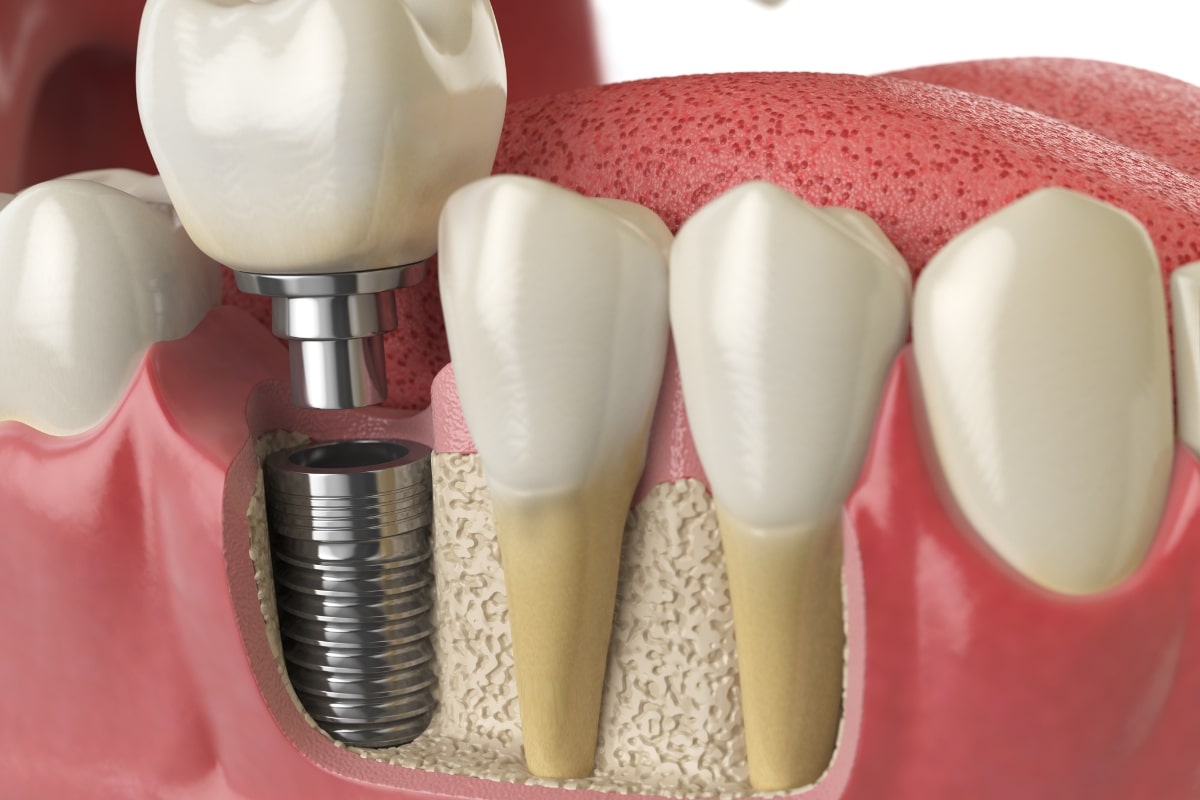
This one’s pretty straightforward. Implants are essentially small titanium posts that get placed into the jawbone. If there isn’t enough bone there, the implant won’t have anything solid to hold onto. Kind of like trying to plant a fence post in loose sand.
2. Increased Risk of Implant Failure
Even if an implant technically fits, weak or thin bone raises the odds of it failing down the road. Nobody wants to go through the process twice. Top dental implant providers in Little Rock never rush this critical step.
3. Changes in Jaw Shape and Facial Structure
Bone loss doesn’t just affect your mouth, it can actually change the shape of your face over time. Ever noticed how some people’s lower face looks “sunken in” after losing teeth for years? That’s bone loss at work. It’s subtle at first, then not so subtle.
4. Limited Space for Proper Implant Angling
Implants need to go in at a specific angle to work correctly and look natural. When bone has resorbed, there’s often less room to work with, which complicates the whole placement process. Precision matters a lot here.
5. Higher Chance of Needing Bone Grafting First
This is a big one. If there’s significant bone loss, most dentists will recommend a bone graft before even attempting to place implants. It adds time to the process, sure, but it’s there to protect your long-term results.
6. Longer Overall Treatment Timeline
Because of grafting, healing, and additional monitoring, bone loss can stretch out how long the whole implant journey takes. Frustrating? Maybe a little. But rushing this step usually leads to bigger problems later.
Can You Still Get Implants If You Have Bone Loss?
Short answer: usually, yes. Long answer: it depends on how much bone loss you’re dealing with. Mild bone loss might not even need extra treatment, some implant systems are actually designed to work with less bone. Moderate to severe bone loss, though? That’s where bone grafting usually comes in. Grafting adds new bone material (sometimes synthetic, sometimes natural) to rebuild a strong enough base for the implant.
It’s not as scary as it sounds. Plenty of people go through this exact process every year and still end up with implants that look and function great. Dental implant clinics in Little Rock today offer a lot more flexibility than they did even a decade ago, thanks to advances in grafting and imaging technology.
How to Know If You Have Bone Loss
You probably won’t feel it happening. That’s the tricky part. Bone loss doesn’t come with obvious symptoms early on. Usually, it gets caught during a dental exam, sometimes with a 3D scan or X-ray. If you’ve had a missing tooth for a while (even just a year or two), it’s worth getting checked before jumping straight into implant planning. Better to know upfront than to find out mid-procedure.
Why Early Action Matters
Here’s the thing nobody really tells you: waiting makes it worse. The longer a missing tooth goes unaddressed, the more bone tends to shrink. So if you’re already considering implants, sooner is generally better than later. Dental implant specialists in Little Rock consistently stress a critical point. Early evaluation saves time, money, and unnecessary complications down the line.
FAQ: Bone Loss and Dental Implants
Q: How do I know if I have enough bone for implants?
Your dentist will typically use X-rays or a 3D scan to measure bone density and volume before recommending a treatment plan.
Q: Is bone grafting painful?
Most patients report mild discomfort, similar to a tooth extraction, and it’s managed with local anesthesia and standard aftercare.
Q: How long does bone grafting take to heal before implants can be placed?
Healing usually takes a few months, though it varies depending on how much grafting was needed and your individual healing rate.
Q: Can I skip grafting and still get implants?
In some mild cases, yes, especially with certain implant designs. But it depends entirely on your specific bone structure, which your dentist will assess.
Q: Are dental implants clinics in Little Rock suitable for older patients with bone loss?
Age itself isn’t usually the deciding factor, bone health matters more. Many older patients successfully get implants after proper evaluation and, if needed, grafting.
Don’t Let Bone Loss Hold You Back
Bone loss sounds intimidating, but it’s rarely a dead end. With the right evaluation and treatment plan, most people are still great candidates for implants, it just might take an extra step or two to get there.
If you’re exploring professional dental implant treatment in Little Rock, don’t wait and contact Dental Solutions of Little Rock. Visit us at the Chenal Pkwy office or the Baptist Health office today to get evaluated and find out exactly where you stand. Schedule your consultation now and take the first step toward a confident, complete smile.