What You Should Know Before Getting Dental Implants?

Considering tooth implants can feel overwhelming, and you’re not alone if you’re unsure where to start. Missing a tooth is a frustrating experience, and the thought of replacing it with something permanent may seem like a big step. It’s completely normal to have questions, concerns, and even fears about the procedure. Many individuals share these feelings when facing dental restoration options, and it’s important to understand that you are not alone in this journey. This blog is designed to guide you through the basics of dental restorations. It provides detailed information so you can make a well-informed decision about your oral health and potential treatment options.
What is a Dental Implant?
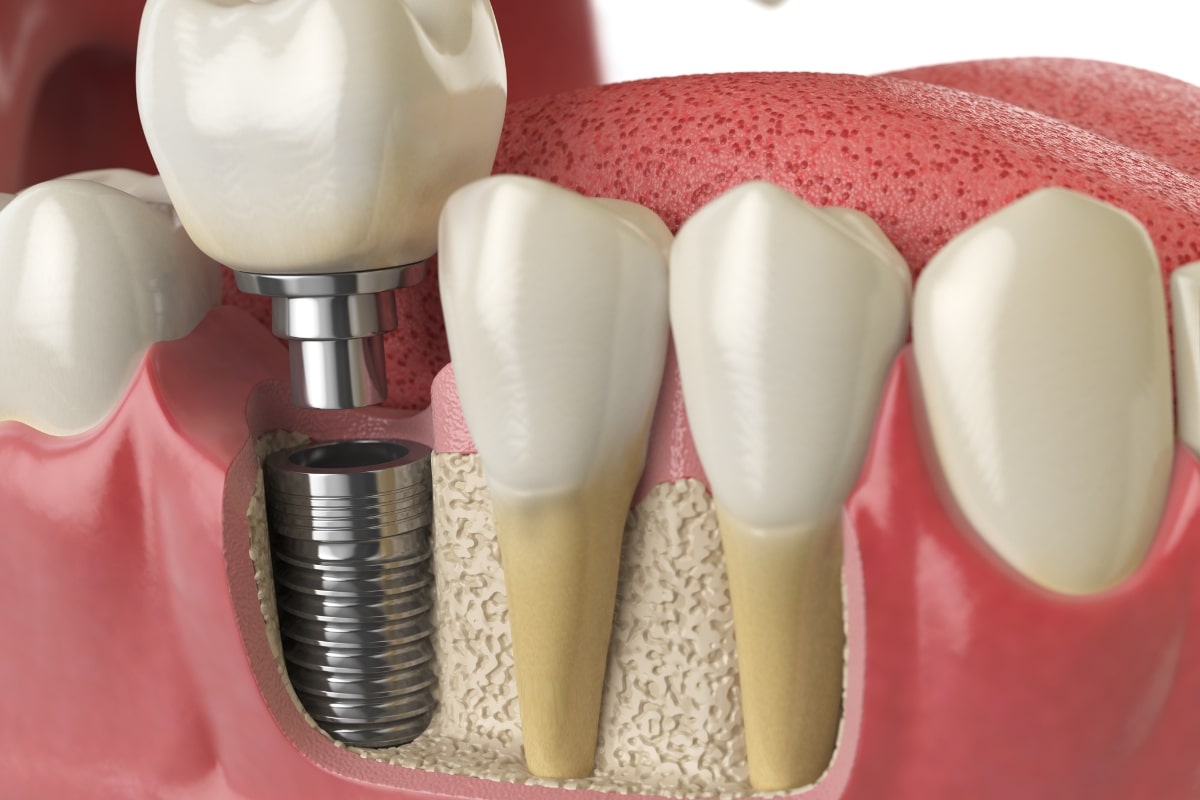
Someone who is new to the entire restoration process might not even be familiar with what it entails. A prosthetic tooth is a durable replacement for a missing tooth, kind of like an artificial root inserted into your jawbone. It’s commonly made of titanium, a material that your body naturally accepts and bonds with over time. Once the fixture is in place, it offers a strong and reliable base for a replacement tooth, known as a crown, to be attached on top. Unlike dentures and bridges, which you remove or rely on nearby teeth, a restoration becomes part of your mouth. It functions just like a natural tooth, allowing you to eat, speak, and smile with confidence again.
The Process: Step-by-Step
Now that you have a basic idea of what dental restoration is, let’s walk through the entire process. This might sound intimidating at first, but when broken down into manageable steps, it’s clear that the procedure is straightforward and effective. These are the steps:
1. Consultation and Evaluation
The journey to a dental restoration begins with an initial consultation. This is where you’ll meet a dentist in Little Rock to discuss your oral health, medical history, and jawbone condition. This is a crucial step because, for the fixture to work, you need a healthy jawbone that can support it.
The consultation may also include X-rays or a 3D scan to get a better view of your mouth. During this visit, your oral practitioner will explain the options available and whether you need any additional procedures, such as bone grafting. They will also answer any questions you have.
- Duration: The consultation typically lasts between 30 minutes and an hour, making it a convenient and comfortable experience for you.
2. Placing the Implant
Once you and your dental professional decide it is the right choice, the next step is to place the fixture into your jawbone. This is done under local anesthesia, so you won’t feel any pain during the procedure. The oral care service provider will make a small incision in your gum to access the jawbone. After that, they will insert the titanium post (the fixture) into the bone.
After the restoration is placed, it’s crucial to allow time for the bone to heal and bond with the fixture. This process is called osseointegration and can take several months. During this time, the fixture becomes a stable base for your new tooth.
- Duration: This healing process usually takes about 3 to 6 months, but remember, everyone heals at their own pace. Be patient and kind to yourself during this time.
3. Attaching the Abutment
After the restoration has fused with your jawbone, the next step is to attach a small connector called an abutment. The abutment is placed on top of the restoration, and it acts as a bridge between the fixture and the crown. The dental practitioner will reopen the gums to expose the fixture, and the abutment will be attached. At this point, you’ll be one step closer to having a fully functional tooth!
- Duration: Placing the abutment is a fairly quick process, usually taking around 1 to 2 hours, with a bit of healing time afterward.
4. Placing the Crown
Once the abutment is in place, the final step is to attach the crown. This is the part that looks and functions like a natural tooth. The crown is custom-made to match the shape and color of your surrounding teeth, ensuring it blends seamlessly with your smile. Once the crown is securely attached, the restoration is complete, and you can start enjoying your new tooth just like you would a natural one.
- Duration: The placement of the crown typically takes around an hour, and usually, the adjustment period is quite brief.
Dental Implants vs. Dentures and Bridges
When considering how to replace a missing tooth, it’s important to weigh your options. Dental restorations offer several advantages over traditional dentures and bridges. Here is how these options are different from each other:
Dentures are removable prosthetics that can replace multiple missing teeth. While they are affordable and effective for many, they don’t offer the same stability as permanent tooth-replacement options. Although they have many benefits, dentures can slip or move while eating, which can be uncomfortable and inconvenient.
Bridges, on the other hand, rely on the surrounding teeth for support. This means that the healthy teeth next to the gap are altered to hold the bridge in place. While bridges are effective for smaller gaps, they don’t offer the long-term solution that dental restorations do. Plus, they can sometimes damage adjacent teeth, which isn’t an issue with prosthetic teeth.
Dental restorations, however, are designed to last a lifetime when properly cared for. They don’t affect surrounding teeth, provide better stability, and help maintain the structure of your jawbone. This is why dental implants in Little Rock are often considered the right decision in tooth replacement.


If you’re still unsure about which option is best for replacing your missing teeth, visit Dental Solutions of Little Rock at Baptist Health Drive. or Chenal Parkway with Dr. Leslie Monroe and Dr. Caroline Mehaffy including her experts team are here to help guide you in choosing the right solution for your needs. With a focus on patient comfort and care, we make the entire process as smooth as possible, ensuring you have the best experience.
My experience with Dr. Mehaffy and her staff was wonderful. Professional and compassionate; thorough and explained the process and plan well. I would highly recommend Dr. Mehaffy and Dental Solutions of Little Rock. A+
– M Janes
We get our inspiration from our Google Reviews, which make us deliver quality work
What Do Tooth Implants Cost?
Cost is often one of the biggest considerations for anyone thinking about getting dental restorations. The total amount can vary greatly depending on several factors. The list includes the location of your dental practice, the complexity of your case, and whether you need any additional procedures such as bone grafting. That said, prosthetic teeth tend to be more expensive upfront compared to dentures or bridges. However, because they’re a long-lasting solution, they often provide better value over time.
It’s also good to know that financing options are often available. Many dental offices provide flexible payment plans to help manage the cost of prosthetic teeth. Whether through insurance, payment plans, or third-party financing, you can find a solution that works for your budget. It’s worth discussing these options during your consultation to see how it can work out. Don’t hesitate to ask about payment plans or insurance coverage to see if it can help ease the cost.
Restore Your Missing Teeth with Us
If you’ve been putting off considering implants because of cost or fear, now is the perfect time to reach out. Take the next step toward your new smile with a consultation with our dental practitioner, Dr. Leslie Monroe and Dr. Caroline Mehaffy. at Dental Solutions of Little Rock, located on Baptist Health Drive or Chenal Parkway locations, our team is here to help you explore your options. Book an appointment if you believe that with expert care and available financing, you’re one step closer to the confident smile you deserve!
FAQ
1. How long do dental restorations last?
Prosthetic teeth can last a lifetime with proper care. Regular brushing, flossing, and dental check-ups are essential to maintaining their longevity.
2. Will getting a dental restoration hurt?
The procedure is done under local anesthesia, so you shouldn’t feel any pain during the process. Afterward, some discomfort is normal but can be managed with pain medication.
3. How long does the entire prosthetic teeth process take?
The process can take several months, including time for healing and osseointegration. However, the actual procedures are typically completed within a few days or weeks.
4. Can anyone get dental restorations?
Most people are candidates for prosthetic teeth, but factors like age, bone health, and oral hygiene may influence whether you’re a good fit. Your dentist will evaluate these factors during the consultation.
5. Are dental restorations better than dentures?
Yes, prosthetic teeth are more stable, offer better long-term results, and don’t require removal for cleaning. Dentures, while effective, can shift and may need frequent adjustments.